Table of Contents
Introduction
Everyone around the world has dealt with pain that makes them feel uncomfortable and has them place their hands on the location where the pain is originating in their bodies. Many factors can become issues in the body, like a poor, unhealthy lifestyle that causes problems in the gut system and develop painful symptoms that affect the intestines. Stressful events that cause headaches that affect the neck and upper back muscles or gut issues that cause discomfort in the abdominal and back region. All these issues are known as referred pain, where a person feels pain in one part of their body, but it is caused by a different source of pain in a different location. An example would be an individual with back pain, but the pain is originating in their abdominal organs. Today’s article looks at various issues that mask low back pain in the body, how organ issues mimic low back pain, and how to alleviate these issues affecting the body. We refer patients to certified providers specializing in gastroenterology and chiropractic treatments that help those with issues that affect their back and gut system. We also guide our patients by referring to our associated medical providers based on their examination when it’s appropriate. We find that education is the solution to asking our providers insightful questions. Dr. Alex Jimenez DC provides this information as an educational service only. Disclaimer
Different Issues Masking Low Back Pain
Have you experienced discomfort in your abdominal region causing pain in your lower back? How about pelvic issues that are causing bowel discomfort? Or constipation issues that are compressing the nerves in your lower back? These signs and symptoms correlate to visceral-somatic pain, defined as poorly localized pain characterized by irritated internal organs that cause muscle hypersensitivity from the same nerve. So what does this mean for a person experiencing back issues affecting their quality of life? Well, this might be an indication of the individual that might be suffering from gastrointestinal problems that are correlating to low back pain. Studies reveal any disturbances causing musculoskeletal or gastrointestinal complaints that could induce referred pain through the sympathetic nervous system. An example will be if the body suffers from infections from the kidneys that are associated with low back pain.
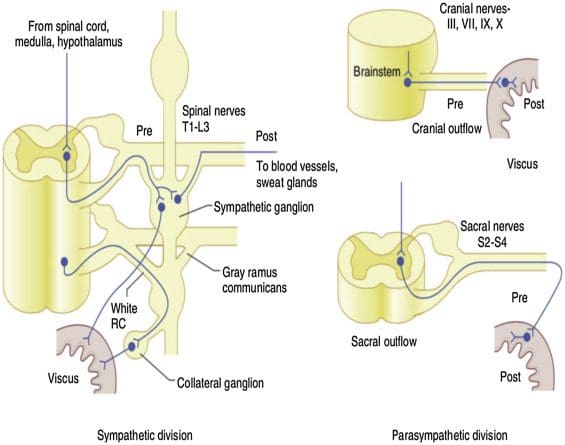
So how would the kidneys be associated with low back pain? What is the correlation? For example, a person is constantly eating foods with either a high salt content or a high protein in their system. These high food contents begin to form kidney stones in one or both organs, thus causing a sharp pain that triggers low back pain. As the kidney stones pass through the urinary tract, it administrates radiating pain to the body’s lower abdominal and pelvic region. Another example of issues that can mask low back is constipation in the abdominal area associated with pelvic dysfunction. How does this correlate to the lower back? Think of your abdominal organs overlapped by risk profiles associated with gut disorders. Signs like hypothyroidism, SIBO, celiac disease, or IBS can increase the risk associated with pelvic floor dysfunction, which causes bloating and constipation to the abdominal organs. These issues are co-morbidities to IBS as studies reveal that the pelvic floor and abdominal muscles are co-activated to increase spine stability and intra-abdominal pressure. Now it may seem not a bad thing to the body unless the individual is constantly standing for an extended period or is obese, thus becoming a mediator for the host to suffer from low back pain while being associated with pelvic dysfunction.
Organ Issues Mimicking Low Back Pain- Video
Have you been feeling muscle tenderness in the lower extremities of your body? How about gut issues that are associated with low back pain? Or are you feeling bowel dysfunction in your pelvic region? All these issues correlate to viscerosomatic pain, where the infected organ is causing issues to the muscle in a different location. The video above explains how various organ issues can mimic spinal and back pain in the body. One of the examples that the video explains is how kidney infections are associated with back pain. Studies reveal that visceral pain originating from the upper urinary tract coincidently correlates with the characteristics of referred pain and changes in the somatic tissues of the body.
Alleviating Issues Affecting The Body
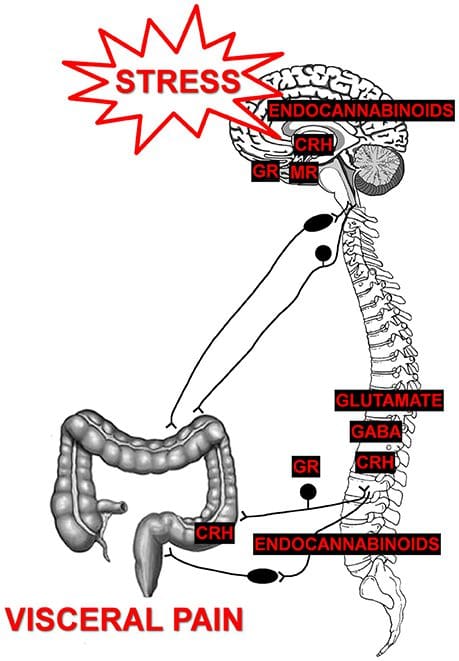
Say an individual is suffering from low back pain issues; as they get their mandatory examination, they explain to their physician about their low back pain and what is happening. Once the suffering individual is situated, the physician begins to look over the body where the pain is located, either by physical examination or through the intake form they are looking over. So what does this implicates in the body? Well, studies have revealed that systemic pathologies of the visceral organs can mimic or mask musculoskeletal pain. An example would be someone who is experiencing gastrointestinal issues in their gut, and it’s triggering muscle spasms in the back. This causes the nerve roots to be hypersensitive to the visceral organs and increases the risk associated with low back pain.
Conclusion
Dealing with pain is no joke, primarily when the pain is located in a different body region. Sometimes the pain can be an organ issue that mimics muscle pain in the back. This is known as viscero-somatic pain, defined where infected organs are either mimicking or triggering muscle issues in different body locations. This causation is usually due to various factors like unhealthy lifestyle habits affecting the visceral organs and affecting the muscles that correspond to the organs, like IBS issues affecting the lower back. Available treatments are there to figure out what problems affect the body and provide a better understanding to alleviate them.
References
Basso, Francesca Lo, et al. “Manual Treatment for Kidney Mobility and Symptoms in Women with Nonspecific Low Back Pain and Urinary Infections.” De Gruyter, De Gruyter, 1 May 2021, www.degruyter.com/document/doi/10.1515/jom-2020-0288/html.
Bussey, Melanie Dawn, et al. “Is Pelvic Floor Dysfunction Associated with Development of Transient Low Back Pain during Prolonged Standing? A Protocol.” Clinical Medicine Insights. Women’s Health, SAGE Publications, 27 May 2019, www.ncbi.nlm.nih.gov/pmc/articles/PMC6537301/.
J;, Stowell T;Cioffredi W;Greiner A;Cleland. “Abdominal Differential Diagnosis in a Patient Referred to a Physical Therapy Clinic for Low Back Pain.” The Journal of Orthopaedic and Sports Physical Therapy, U.S. National Library of Medicine, Nov. 2005, pubmed.ncbi.nlm.nih.gov/16355918/.
Lacy, Brian E, et al. “Management of Chronic Abdominal Distension and Bloating.” Clinical Gastroenterology and Hepatology : the Official Clinical Practice Journal of the American Gastroenterological Association, 1 Apr. 2020, www.cghjournal.org/article/S1542-3565(20)30433-X/fulltext.
PJ;, Pedersen KV;Drewes AM;Frimodt-Møller PC;Osther. “Visceral Pain Originating from the Upper Urinary Tract.” Urological Research, U.S. National Library of Medicine, 16 May 2010, pubmed.ncbi.nlm.nih.gov/20473661/.
Disclaimer
What's your reaction?