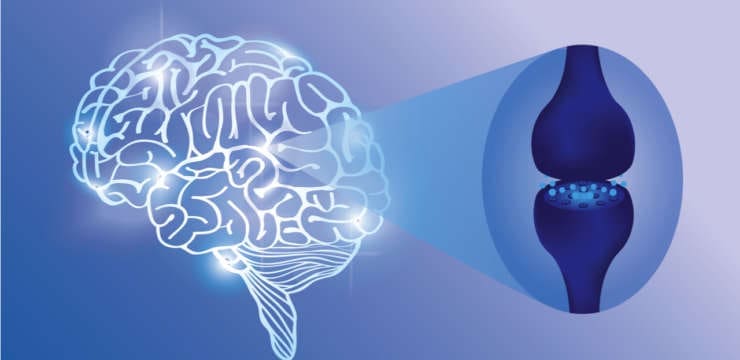
Uncover the benefits of integrative obesity and cardiometabolic care for better management of obesity-related health issues.
Table of Contents
Abstract
I wrote this educational post to walk you through, step by step, how I approach obesity care and its interlocking comorbidities in adults ages 40 to 60 — and beyond — using modern clinical research, physiologic reasoning, and real-world integration. From my vantage point as a chiropractor and nurse practitioner, I explain in first person how we reduce adiposity (especially visceral fat), preserve and restore muscle, and improve cardiometabolic risk by weaving together four foundational pillars: nutrition, physical activity and rehabilitation, sleep optimization, and targeted pharmacotherapy — all coordinated under internal medicine oversight. You will see where GLP-1 and dual incretin therapies (semaglutide and tirzepatide) reduce major adverse cardiovascular events, improve heart failure with preserved ejection fraction, and treat obstructive sleep apnea when obesity is present. You will also see why apolipoprotein B (apoB) matters for atherogenic particle count, how hypertension is mechanistically driven by adipose inflammation and RAAS activation, why insulin resistance is the central driver linking all metabolic dysfunction, and how MASLD (Metabolic Dysfunction–Associated Steatotic Liver Disease) regresses with consistent weight loss.
I fully integrate chiropractic care to restore joint mechanics, modulate pain, improve neuromuscular control, and support autonomic balance — making activity feasible and sustainable. You will follow two detailed case journeys (including Robert, a composite patient story) to see how multidisciplinary care works in reality.
Crucially, I work in collaboration with Dr. Maria Guadalupe Cardenas, MD — Board Certified in Internal Medicine (NPI #1164426749; Texas MD License #J2933) — who has more than 40 years of experience and serves as Medical Director and Collaborative Physician at our clinic, Injury Medical Clinic PA (Mission Plaza Injury Medical Clinic), in El Paso, Texas. This multidisciplinary setup is common in integrative and injury care centers, where an MD provides medical direction alongside a chiropractor to ensure safety, pharmacologic stewardship, and evidence-based oversight.
I present the latest findings from leading researchers, synthesize physiologic underpinnings in plain language, and translate evidence into practical protocols you can apply. My clinical observations, shared at healthcoach.clinic/ and www.linkedin.com/in/dralexjimenez/, enrich the science with lived practice realities. Throughout, I use narrative clarity, bullet lists, and bold emphasis to make complex concepts easy to follow.
About Me, Our Clinic, and Our Integrated Model in El Paso, Texas
I am Dr. Alexander Jimenez, DC, APRN, FNP-BC, CFMP, IFMCP, ATN, CCST. In addition to chiropractic training, I am certified and experienced in functional medicine and family practice. My clinical work bridges biomechanics, neuromuscular rehabilitation, lifestyle medicine, and integrative care to address complex health challenges that commonly cluster around midlife obesity.
I practice at Injury Medical Clinic PA — also known as Mission Plaza Injury Medical Clinic — in El Paso, Texas, where our patients often present with obesity intersecting with personal injuries, chronic musculoskeletal pain, liver disease, dysglycemia, hypertension, dyslipidemia, sleep-disordered breathing, and menopausal transitions.
Our Multidisciplinary Model
- Medical Director and Oversight: Dr. Maria Guadalupe Cardenas, MD
-
- Board Certified in Internal Medicine; NPI #1164426749; Texas MD License #J2933
- Over 40 years of internal medicine practice
- Provides medical direction, risk stratification, advanced diagnostics, and pharmacologic stewardship
- Supervises antihypertensives, statins, antidiabetic therapy, and obesity pharmacotherapy
- Integrative Chiropractic and Functional Medicine: Dr. Alexander Jimenez, DC, APRN, FNP-BC, CFMP, IFMCP, ATN, CCST
-
- Restores joint function and spinal mechanics through manual therapies
- Delivers neuromuscular rehabilitation, pain modulation, autonomic balance strategies, and functional movement coaching
- Aligns nutrition, sleep optimization, and behavior change with metabolic goals
- Personal Injury and Rehabilitation
-
- Transitions patients from acute pain and deconditioning to safe activity progression
- Collaborates with physical therapy when indicated for gait, strength, and mobility
- Behavioral Health and Sleep Integration
-
- Screens for depression, anxiety, stress, and sleep disorders
- Uses CPAP adherence strategies, sleep hygiene, and breathing cadence to anchor recovery
This MD-DC co-managed structure is foundational to integrative and injury clinics: the MD ensures medical safety and evidence-based pharmacology; the DC delivers biomechanical optimization, rehabilitation, and lifestyle support that unlocks daily movement and adherence.
Explore more of my ongoing clinical reflections:
My Goals for Midlife Obesity Care: Clinically Meaningful, Measurable, and Sustainable
I anchor care around what patients can feel, what we can measure, and what endures.
- Reduce adiposity—prioritizing visceral fat reduction—to recalibrate metabolic signaling and organ function.
- Prevent and reduce complications across cardiometabolic, hepatic, sleep, musculoskeletal, and psychosocial domains.
- Preserve and enhance muscle mass and strength to maintain independence and metabolic health.
- Improve quality of life through durable habits, reduced pain, better sleep, and increased energy.
Even a 5 to 10 percent weight reduction — especially if visceral adipose tissue is reduced — delivers disproportionate health benefits. With 10 to 15 percent loss and beyond, glycemia, blood pressure, lipids, and inflammatory markers improve in concert.
In practice and research:
- Prediabetes improves around ~2.5 percent loss, accelerating toward 10 percent and beyond
- Type 2 diabetes begins improving around ~2.5 percent loss and continues through 15 percent+
- Dyslipidemia responds around ~5 percent meaningfully and keeps improving toward ~15 percent
- Hypertension, sleep apnea, and MASLD show significant improvements around ~10 percent
- Knee osteoarthritis, mobility, emergent depression, and quality of life often improve around ~5 percent
- Quality of life gains often outpace lab changes — early wins build momentum, adherence, and self-efficacy
These anchors keep us focused on clinically meaningful change as we navigate complex physiology and modern therapeutics.
Understanding Cardiometabolic Syndrome in Midlife Obesity: Physiology Made Plain
The Bidirectional Link: Obesity and Cardiometabolic Syndrome
In midlife, central adiposity, dyslipidemia, hypertension, and dysglycemia commonly cluster. This is not a coincidence — it is adipose endocrinology.
Visceral adipose tissue acts as a pro-inflammatory endocrine organ. It secretes inflammatory cytokines (e.g., TNF-?, IL-6), adipokines (e.g., leptin, resistin), and releases free fatty acids (FFAs) into portal and systemic circulation. This biochemical environment:
- Triggers hepatic insulin resistance and increased VLDL production
- Impairs skeletal muscle glucose uptake by interfering with insulin signaling
- Raises systemic vascular resistance by altering endothelial function and sympathetic tone
- Activates the renin–angiotensin–aldosterone system (RAAS), increasing sodium retention and blood pressure
- Drives dyslipidemia: elevated triglycerides, increased small dense LDL, lower HDL, and higher apoB
Clinical manifestations:
- Dyslipidemia: elevated LDL/apoB and triglycerides; reduced HDL
- Hypertension: especially in central obesity
- Dysglycemia: impaired fasting glucose, elevated A1C, type 2 diabetes
- Central obesity: waist >40 inches in men, >35 inches in women
These features are synergistic and self-reinforcing. Recognizing the pattern allows earlier, more comprehensive action.
My Standard Cardiometabolic Risk Profile
To build a reliable profile, I assess:
- Blood pressure with home monitoring and office confirmation
- Waist circumference and, when available, body composition for visceral adiposity estimates
- Fasting labs: lipid panel with triglycerides, LDL-C, HDL-C; apoB when possible; fasting glucose and A1C; optionally fasting insulin and HOMA-IR
- ASCVD risk estimation: to guide lipid and antihypertensive strategies
- Coronary artery calcium (CAC) scoring when appropriate to refine risk
- Psychosocial factors: depression, stress, sleep quality, social support
This integrates seamlessly with internal medicine oversight under Dr. Cardenas, ensuring medical management is evidence-based and risk-adjusted.
Why Treating Obesity Reduces Cardiovascular Events: Mechanisms and Trial Evidence
Central and Ectopic Fat: Pericardial and Epicardial Impacts
Not all fat behaves the same. Central and ectopic fat around and within organs are metabolically active and inflammatory.
- Pericardial and epicardial fat envelop the heart, secrete cytokines locally, impair myocardial relaxation, and alter electrophysiologic properties.
- The environment increases risks for diastolic dysfunction, atrial fibrillation, and ischemia.
- Mechanical burden raises blood volume and cardiac output, elevating filling pressures and myocardial workload — especially impactful with age-related vascular stiffness.
When I see obesity with hypertension, dyslipidemia, and dysglycemia — even without symptomatic heart failure — I often consider this a Stage A heart failure profile. It warrants urgency in weight reduction, BP control, lipid modification, and glycemic management.
Semaglutide and Cardiovascular Outcomes: Major Adverse Cardiovascular Events (MACE) Reduction
A large randomized trial in adults with overweight or obesity and established cardiovascular risk showed:
- Once-weekly semaglutide reduced MACE — cardiovascular death, nonfatal myocardial infarction, and stroke — by roughly 20 percent versus placebo
- This positions obesity treatment as foundational in cardiovascular risk reduction, akin in magnitude to appropriate statin therapy for selected populations
- This trial represents a major proof-of-concept for treating obesity itself to reduce hard cardiovascular outcomes
Reference:
I integrate this evidence with our four pillars — nutrition, physical activity, sleep, and pharmacotherapy — targeting 10 to 15 percent weight loss in Stage A profiles to reduce filling pressures, enhance endothelial function, and lower systemic inflammation.
GLP-1 and Dual Incretin Therapies in Obesity-Related HFpEF
Randomized trials show:
- Semaglutide-induced weight loss improves symptoms, functional capacity, and quality of life in HFpEF with obesity
- Tirzepatide (dual GLP-1/GIP) lowers risks of composite cardiovascular death or worsening heart failure and improves patient-reported health status
- Mechanistically, reducing ectopic and visceral fat lowers inflammatory tone and hemodynamic burden, improving ventricular-vascular coupling
References:
- Semaglutide in patients with heart failure with preserved ejection fraction and obesity (NEJM)
- Tirzepatide and outcomes in obesity-related HFpEF: The SUMMIT trial (NEJM; trial naming from contemporary literature)
Under Dr. Cardenas, we evaluate candidacy for incretin therapy, monitor hemodynamics, glucose, and lipids, and align dosing with comorbidities. My role is to prepare the musculoskeletal system to tolerate increased activity, manage pain and mechanics, and optimize nutrition and sleep so pharmacologic benefits are maximized and sustained.
Dyslipidemia in Midlife Obesity: Why ApoB, Triglycerides, and HDL Matter
Why ApoB Is a Priority
ApoB quantifies the atherogenic particle number, offering a clearer risk gauge than LDL-C alone. In obesity and insulin resistance:
- ApoB-containing lipoproteins (VLDL, IDL, LDL) increase
- LDL particles become small and dense, more likely to penetrate the arterial wall
- Reducing visceral adiposity lowers apoB and triglycerides, and raises HDL
- Weight reduction of 5 to 15 percent consistently improves this profile
- Mediterranean-style, high-fiber, plant-forward nutrition with omega-3s and minimal refined sugars and alcohol enhances triglyceride and HDL improvements
Reference:
- Apolipoprotein B as a risk marker and therapeutic target (Circulation)
My Four-Pillar Strategy for Dyslipidemia in Obesity
- Nutrition
-
- Mediterranean pattern; soluble fiber; minimize ultra-processed foods, refined sugars, excess alcohol
- Omega-3s from fish or algae; plant sterols/stanols case-by-case
- Physical activity
-
- At least 150 minutes moderate-intensity weekly plus resistance training to improve insulin sensitivity and lipid metabolism
- Weight reduction
-
- Aim for 5 to 15 percent; consider GLP-1RA or dual incretin therapy if indicated.
- Pharmacology (with Dr. Cardenas)
-
- Statins are first-line for ASCVD risk; ezetimibe and PCSK9 inhibitors as needed
- ApoB-targeted strategies tailored to overall risk and tolerance
This integrated approach reliably improves lipids in midlife and supports long-term cardiovascular risk mitigation.
Hypertension in Midlife Obesity: Mechanistic Drivers and Treatment Rationale
Why Blood Pressure Rises with Adiposity
Hypertension increases with age, and obesity adds multiple mechanisms:
- Mechanical: Increased fat mass compresses vascular structures, raises blood volume, and elevates cardiac output demands
- Inflammatory/Endocrine: Adipose cytokines induce endothelial dysfunction and increase systemic vascular resistance
- RAAS Activation: Adipose tissue and sympathetic activation stimulate RAAS, promoting sodium retention and vasoconstriction
- Insulin Resistance: Hyperinsulinemia increases renal sodium reabsorption and sympathetic tone
Observational data suggest systolic BP rises ~4 mmHg per 10 pounds gained. Meta-analyses indicate that losing 3 to 9 percent of body weight reduces systolic/diastolic pressures by ~3 mmHg, with larger reductions at 10 to 15 percent weight loss.
My Protocol for Hypertension with Obesity
- Targeted weight reduction: Aim for 10 to 15 percent
- Nutrition: DASH or Mediterranean-style; emphasize potassium, magnesium, reduce sodium (individualized), limit alcohol
- Physical activity: 150 minutes/week moderate intensity plus resistance training; incorporate respiratory training and parasympathetic resets for autonomic balance
- Pharmacology (Dr. Cardenas)
-
- Select antihypertensives guided by comorbidities (ACE inhibitors/ARBs, calcium channel blockers, thiazides)
- Anticipate dose adjustments as weight decreases.
- Monitoring: Home BP tracking; orthostatic vitals when needed; patient education about medication titrations
As weight decreases, antihypertensive requirements often change — education and follow-through are essential.
Insulin Resistance: The Central Driver — Physiology and How We Reverse It
Physiology of Insulin Resistance in Midlife Obesity
Insulin resistance arises from:
- Increased FFAs, inflammatory cytokines, mitochondrial stress, ectopic lipid deposition
- In the liver: impaired suppression of gluconeogenesis and increased de novo lipogenesis? triglyceride-rich VLDL
- In skeletal muscle: intramyocellular lipids disrupt IRS signaling, reduce GLUT4 translocation, and decrease glucose uptake.
- In adipose tissue: insulin resistance increases lipolysis, flooding the system with FFAs
The pancreas compensates with hyperinsulinemia, favoring fat storage, increasing hunger signaling in some contexts, and over time, contributing to beta-cell decline and overt diabetes.
Reference:
- Insulin resistance mechanisms in obesity (Nature Medicine)
Therapeutic Priorities to Improve Insulin Sensitivity
- Reduce visceral adiposity: Even modest reductions improve hepatic and muscle insulin sensitivity
- Nutrition: Low-glycemic, high-fiber, quality proteins and healthy fats; time-structured meals
- Physical activity: Resistance training increases GLUT4 expression and glycogen capacity; aerobic exercise improves mitochondrial efficiency
- Sleep: 7 to 8 hours; treat OSA; correct circadian misalignment
- Pharmacology (with Dr. Cardenas): GLP-1RAs, dual incretins, metformin, SGLT2 inhibitors when indicated
In my experience, combining manual care to alleviate pain and improve movement with structured activity accelerates metabolic gains, because patients can do more, more often, with less pain. Consistency is the hinge on which insulin sensitivity improves.
Integrative Chiropractic Care: Mechanisms, Methods, and Outcomes in Obesity Management
Why Chiropractic Belongs in a Cardiometabolic Plan
Chiropractic is best known for musculoskeletal care, but it naturally contributes to obesity management by:
- Reducing pain and improving joint function Increasing feasibility and enjoyment of physical activity
- Enhancing neuromuscular control and posture? Reducing energy cost of movement and injury risk
- Modulating autonomic tone? Supports parasympathetic balance, improving sleep and stress resilience
- Addressing kinetic chain dysfunction? Improves gait and ventilatory efficiency, translating into more sustainable aerobic training
When I restore motion in the spine, hips, and ankles, patients often report improved walking tolerance, less exertional dyspnea, and greater willingness to exercise. Over months, this compounds into improved insulin sensitivity and cardiometabolic outcomes.
My Core Chiropractic and Rehabilitation Components
- Spinal and extremity adjustments: Restore segmental mobility (e.g., thoracic spine, pelvis, hips)
- Soft tissue therapy: Address myofascial restrictions that limit range and increase pain
- Motor control retraining: Gluteal activation, core stabilization, scapular mechanics.
- Progressive loading: Gradual increases in resistance and aerobic volume tailored to pain thresholds and metabolic targets
- Breathing training: Diaphragmatic patterns, nasal breathing cues, cadence control
By combining these with medical care, we turn exercise from a barrier into a daily practice — the decisive factor in long-term success.
Sleep and Obesity: From Obstructive Sleep Apnea to Circadian Alignment
Sleep as a Metabolic Organ System
Sleep loss and sleep-disordered breathing increase insulin resistance, dysregulate appetite hormones, elevate evening cortisol, and impair endothelial function. In obese midlife adults, OSA prevalence is substantial and correlates with hypertension, atrial fibrillation, HFpEF, and insulin resistance.
References:
- Impact of untreated obstructive sleep apnea on glucose control in type 2 diabetes (Diabetes Care)
- Continuous positive airway pressure therapy for treating sleepiness in a diverse population with obstructive sleep apnea: Results of a meta-analysis (Archives of Internal Medicine)
My Sleep Protocols
- Screen for OSA using validated tools (STOP-BANG); refer for sleep testing when indicated.
- Encourage 7 to 8 hours of consistent sleep with consistent timing
- Advise evening routines: reduced late-night eating, dim light exposure, wind-down rituals
- Address positional therapy, nasal patency, and CPAP adherence when prescribed
- Integrate autonomic downshift tools: breathwork, gentle mobilizations, mindfulness
When sleep improves, patients report better appetite control, higher energy for exercise, and more stable blood pressure and glucose.
MASLD: Metabolic Dysfunction–Associated Steatotic Liver Disease in Midlife Obesity
Pathophysiology
Hepatic steatosis arises from increased FFA flux, hyperinsulinemia-driven de novo lipogenesis, and inflammatory signaling. Progressive inflammation can lead to steatohepatitis and fibrosis. MASLD is tightly linked to central adiposity, insulin resistance, and dyslipidemia.
Treatment Imperatives
- Weight reduction: Target 7 to 10 percent for meaningful improvements; greater losses are associated with fibrosis regression in some cases
- Nutrition: Lower fructose and refined carbohydrates; Mediterranean-style diet; time-structured eating to reduce hepatic burden
- Activity: Aerobic and resistance training improve hepatic insulin sensitivity and reduce intrahepatic triglycerides
- Pharmacology (with Dr. Cardenas):
-
- Agents with evidence for steatosis improvement
- GLP-1RAs contribute via weight loss and glycemic control
- Resmetirom approved for MASH (F2–F3 fibrosis) with hepatology referral for advanced management
References:
- Nonalcoholic fatty liver disease (MASLD) and weight loss thresholds (Hepatology)
- AASLD guidance on MASLD/MASH (see reference list below)
Dr. Cardenas monitors hepatic enzymes, fibrosis risk scores, and imaging while I facilitate activity tolerance and musculoskeletal readiness for sustained energy expenditure.
Osteoarthritis, Mobility, and Quality of Life: Mechanical Load and Inflammation
Knee Osteoarthritis in Midlife Obesity
Excess mass increases joint load with each step; systemic inflammation sensitizes nociception and accelerates cartilage degeneration. Even 5 percent weight loss can reduce joint pain and improve function.
My Musculoskeletal Strategy
- De-load and strengthen: Neuromuscular control around hips and knees to stabilize joints and distribute forces
- Gait retraining: Shorter steps, cadence changes, alignment cues reduce joint loading.
- Weight loss synergy: Reduced body mass lowers compressive forces; immediate relief enhances adherence
- Modalities: Manual therapy, soft-tissue work, joint mobilizations to restore range, reduce pain, and enable training
Patients often enter a positive spiral: less pain • more activity? More weight loss? better joints? more activity.
Psychiatric and Psychosocial Considerations: Depression, Stress, and Engagement
The Biopsychosocial Loop
Depressive symptoms, anxiety, trauma history, and chronic stress are frequent in midlife obesity and can impair sleep, appetite, and adherence. Conversely, modest early wins often lift mood and self-efficacy.
- CDC reports high co-occurrence of depression and obesity, especially among women (Pratt & Brody, 2014)
Reference:
- Depression and obesity in the U.S. adult household population, 2005–2010 (NCHS Data Brief)
My Approach
- Normalize emotional challenges; integrate behavioral health referrals
- Adopt small-win strategies to create momentum
- Emphasize community and accountability
- Use data feedback loops: home BP, step counts, resistance logs — patients see progress and stay engaged.
- Cardenas evaluates for pharmacologic support when needed, mindful of weight-neutral or weight-favorable options.
Menopausal Considerations in Midlife Women with Obesity
Physiologic Shifts
Perimenopause and menopause bring estrogen changes that alter fat distribution (favoring visceral adiposity), impair sleep and mood, and affect lipid and glucose regulation. Vasomotor symptoms and sleep disruption compound metabolic risk.
Care Strategy
- Weight reduction goals of 5 to 15 percent, prioritizing visceral fat reduction
- Nutrition: Ensure protein adequacy; Mediterranean patterns; manage alcohol and refined carbs; consider phytoestrogen-rich foods as part of a balanced diet
- Resistance training: Essential for muscle and bone health; supports insulin sensitivity.
- Sleep and stress: Aggressively manage OSA and insomnia; parasympathetic practices; structured routines
- Medical options (with Dr. Cardenas): Evaluate menopausal hormone therapy candidacy; align with lipid, glucose, and cardiovascular risk management
Integrative chiropractic care helps manage neck and thoracic discomfort from vasomotor episodes and sleep-disrupted posture, enabling training continuity.
Building the Four-Pillar Plan: How I Operationalize Care
Pillar 1: Nutrition Therapy
- Mediterranean or DASH foundation with individualized macronutrients
- Fiber-forward meals (soluble fibers) for satiety and LDL reduction
- Protein adequacy to preserve muscle and enhance satiety
- Glycemic control: minimize refined sugars; structure meals
- Alcohol moderation: particularly for triglycerides, blood pressure, and hepatic health
- Practical tools: meal planning, shopping lists, quick recipes, cultural fit
Pillar 2: Physical Activity and Rehabilitation
- Baseline assessment: gait, balance, joint range, strength, and pain
- Progressive plan combining aerobic and resistance training, starting from current capacity
- NEAT strategies: incremental activity throughout the day
- Injury-aware progression: protect joints and tendons; modify impact and volume
- Monitoring: heart rate zones, perceived exertion, pain scales; titrate as tolerated
Pillar 3: Sleep and Recovery
- Aim for 7 to 8 hours with consistent timing
- Optimize environment: dark, cool rooms, evening routines
- OSA management: facilitate testing and adherence to CPAP or alternatives
- Autonomic tools: breathing cadence, gentle mobility, decompression work
Pillar 4: Pharmacology and Medical Oversight
- Internal medicine governance: Dr. Cardenas aligns pharmacotherapies for blood pressure, lipids, glucose, and weight
- Obesity medications: GLP-1RAs, dual incretins, others as indicated; anticipate dose adjustments
- Safety and monitoring: labs, imaging when indicated; clear communication about side effects and expectations
These pillars are interdependent: chiropractic and rehab unlock activity; sleep and stress tools sustain recovery; nutrition and medications accelerate and stabilize metabolic improvements.
Personal Injury and Obesity: Real-World Complexity
Pain and fear of movement limit activity; inactivity worsens insulin resistance and weight gain. Our integrative approach breaks the cycle by:
- Treating pain and restoring mechanics early so patients can move without exacerbating injury
- Structuring progression to ensure safe load and volume increases
- Aligning medical therapy to control blood pressure, glucose, and lipids for rehabilitation safety
- Coaching self-efficacy with clear, achievable steps
This is where the synergy of chiropractic, functional medicine, and internal medicine yields outsized benefits.
Case-Style Insights from My Clinical Observations
From healthcoach.clinic/ and www.linkedin.com/in/dralexjimenez/, I consistently observe:
- Early mobility gains predict adherence — when mechanics improve and modest weight loss lightens movement, patients do more and stick with it
- Sleep fixes unlock weight loss — treating OSA or improving sleep hygiene reduces evening cravings and stabilizes BP within weeks.
- Resistance training is a metabolic lever — preserving/building muscle improves glucose control and resting metabolic rate.
- Autonomic balance matters — patients who learn breathing cadence and downregulation skills report better recovery and lower perceived stress
These realities inform how I tailor care and where I emphasize education.
How We Measure Success: Metrics and Milestones
- Weight and waist circumference: track trends
- Body composition when available: focus on fat mass reduction, muscle preservation
- Blood pressure: home monitoring with shared logs
- Lipids and apoB: adjust therapy to ASCVD targets
- Glucose and A1C: refine nutrition, activity, and pharmacology
- Sleep: CPAP adherence, sleep duration and quality
- Functional milestones: pain scores, walking distance, stair tolerance, strength metrics
- Patient-reported outcomes: energy, mood, quality of life
We celebrate early wins and recalibrate plans as needed. Sustainability is our guiding principle.
Coordinating Care: Roles and Responsibilities
- Maria Guadalupe Cardenas, MD (NPI #1164426749; Texas MD License #J2933): Medical Director and Collaborative Physician, overseeing internal medicine management, medication safety, and complex comorbidity care
- Alexander Jimenez, DC, APRN, FNP-BC, CFMP, IFMCP, ATN, CCST: Integrative chiropractic and functional medicine lead, addressing biomechanics, rehabilitation, autonomic balance, and patient coaching
- Team support: Nutrition guidance, behavioral health referrals, physical therapy collaboration
This reflects a modern, evidence-informed, multidisciplinary clinic that delivers obesity care with a whole-person focus.
Practical Pathway for Adults Ages 40 to 60: Step-by-Step
- Comprehensive assessment: vitals, waist, body composition (if available), labs (lipids, apoB if available, A1C/glucose), ASCVD estimate, psychosocial and sleep screening, injury/pain profile
- Immediate wins: sleep hygiene, modest diet adjustments, gentle activity, pain relief through manual care — patients feel better quickly
- Personalized plan: Mediterranean/DASH nutrition, resistance plus aerobic training, sleep optimization, appropriate pharmacotherapy
- Monitoring and iteration: adjust medications, progress exercise, refine nutrition; celebrate milestones
- Long-term stabilization: maintain routines, continue joint care and mobility, periodic medical reviews
We anchor this process in patient goals and context to ensure relevance and feasibility.
Insulin Resistance: Early Identification, Clinical Indices, and Mortality Risk
Insulin resistance can precede type 2 diabetes by 10–15 years. Early identification is critical.
Evaluation tools:
- Fasting insulin and fasting glucose
- HOMA-IR calculation using fasting insulin and glucose
- Population indices like MetS-IR have been correlated with mortality risk
A large NHANES-based study showed that insulin resistance indices are strong predictors of cardiovascular and all-cause mortality, particularly in adults > 65 years.
Reference:
- Insulin resistance indices as predictors of cardiovascular and all-cause mortality in a large U.S. population (Cardiovascular Diabetology)
My Integrative Treatment Strategy for Insulin Resistance
- Weight reduction: 5–10 percent to dramatically improve insulin sensitivity
- Therapeutic low-carbohydrate emphasis: reduce insulin burden, shift metabolism toward lipolysis
- Pharmacotherapy (with Dr. Cardenas):
-
- Metformin: reduces hepatic glucose output, improves sensitivity
- GLP-1/GIP agonists (semaglutide, tirzepatide) when indicated
- Chiropractic and functional medicine:
-
- Address musculoskeletal imbalances
- Modulate autonomic tone
- Investigate gut dysbiosis, micronutrient status, and stress contributors
When patients integrate manual care, nutrition, sleep, and pharmacotherapy, we often see fast improvements in fasting glucose and sustained A1C reductions.
Dysglycemia-Obesity Duet: Treat Both, Emphasize Root Causes
Treat dysglycemia and obesity together, but strategically emphasize obesity as the root cause. The Look AHEAD trial showed that an intensive lifestyle intervention among adults with type 2 diabetes led to significant, durable weight loss and fewer medications needed for glycemia, lipids, and blood pressure years later.
References:
- Look AHEAD trial publications (see reference list)
Even 2–5 percent weight loss can reduce fasting blood sugar by ~20 mg/dL — a clinically meaningful change.
Obesity Pharmacotherapy Trials in Prediabetes
- SURMOUNT-1 (tirzepatide): reduced progression to type 2 diabetes by 94 percent over three years at 10–15 mg doses; average weight loss ~9 percent
- STEP 10 (semaglutide): average 14 percent weight reduction; 81 percent reverted to normoglycemia
References:
- Wadden et al. (2024) — tirzepatide data presented; see The Lancet (representative citation)
- STEP trials (semaglutide) — see NEJM publications
These trials support aggressive obesity treatment to prevent diabetes and restore metabolic health.
Obstructive Sleep Apnea in Obesity: Pathophysiology, Screening, and New Therapies
OSA as a Fat Mass Disease
Obesity contributes to OSA via fat deposition around the upper airway, narrowing and increasing collapsibility. Larger neck circumference is a risk marker. Excess body weight also reduces muscle tone supporting airway patency.
OSA leads to intermittent hypoxia, sleep fragmentation, increased sympathetic tone, worsening metabolic disease, and further weight gain.
Screening and Diagnosis
- STOP-BANG questionnaire and Epworth Sleepiness Scale
- Polysomnography (AHI grading): mild (5–15), moderate (15–30), severe (>30)
Treatment
- Weight reduction: 10–15 percent can significantly reduce AHI
- CPAP therapy: mainstay with mask-fit optimization and adherence support
- Tirzepatide: FDA-approved for treating moderate-to-severe OSA in adults with obesity based on SURMOUNT-OSA trials, which showed significant AHI reduction in patients both with and without CPAP
These findings reinforce the root-cause focus: treat obesity to alleviate OSA severity.
A Comprehensive Overview of Key Obesity Trials: Evidence Synthesis by Comorbidity
- Prediabetes/type 2 diabetes: Look AHEAD — intensive lifestyle reduced medication needs; long-term durability
- Prediabetes and obesity: SURMOUNT-1 (tirzepatide) — major reductions in diabetes progression and weight
- Prediabetes and obesity: STEP 10 (semaglutide) — strong weight loss and reversion to normoglycemia
- Heart failure and cardiac disease: multiple trials — semaglutide and tirzepatide improving HFpEF-related outcomes
- Obstructive sleep apnea: SURMOUNT-OSA — tirzepatide reduces AHI and OSA severity
- Osteoarthritis (knee): STEP 9 (semaglutide) — weight and pain reduction in moderate-to-severe OA
- Liver disease (MASLD/MASH): ESSENCE (resmetirom) — approved for MASH with moderate-advanced fibrosis; ongoing trials with GLP-1/GIP-GLP-1 agonists.
References for each category are consolidated in the reference list below.
Case Integration: Robert’s Journey With Type 2 Diabetes, Obstructive Sleep Apnea, and Knee Pain
Meet Robert (composite case)
Robert is a 55-year-old Mexican American man with a sedentary job, married, and a non-smoker. He presents with knee pain, low libido, daytime fatigue, class III obesity, type 2 diabetes, hyperlipidemia, hypertension, OSA (poor CPAP adherence). He reports weight gain since his thirties, powerful evening cravings, and inconsistent medication adherence.
Initial data:
- Weight: 275 lb; BMI: 40.6 kg/m²; waist: 43 inches
- BP: 148/92 mmHg
- A1C: 8.5 percent; fasting glucose: 180 mg/dL
- Lipids: TG 250 mg/dL; HDL 35 mg/dL; LDL 140 mg/dL
- Liver enzymes: AST 45; ALT 60
- Total testosterone: 280 ng/dL (low-normal)
Assessment:
- High STOP-BANG score; CPAP intolerance due to mask comfort
- Mild depression on PHQ-9; elevated perceived stress
- FIB-4 indeterminate; elevated liver enzymes; likely MASLD
- Meets Stage A heart failure profile
- Knee pain rated 7/10 in daily activities
Priorities and Rationale
- Optimize CPAP adherence for OSA
- Reduces nocturnal hypoxemia, sympathetic activation, and improves glycemic control (Aronsohn et al., 2010; Patel et al., 2009)
-
- Nutrition strategy: lower-carbohydrate, higher-protein, high-fiber; calorie reduction; minimize ultra-processed foods
- Physical activity: low-impact modalities (cycling, aquatic therapy, incline treadmill), progressively titrated; integrate resistance training for lean mass preservation
- Medication transition (under Dr. Cardenas):
- Shift from glipizide to tirzepatide plus metformin; continue statin and lisinopril
- Avoid hypoglycemia by de-escalating sulfonylurea; titrate tirzepatide every 4 weeks
- Address sexual dysfunction: vascular, endocrine, and psychological contributors; normalize discussion and integrate mental health support
References:
- Tirzepatide versus semaglutide once weekly in patients with type 2 diabetes (NEJM)
- Erectile dysfunction in diabetes mellitus (Journal of Sexual Medicine)
Multi-year Outcomes
- Weight reduced from 275 lb by 75 lb over three years (~27.3 percent), transitioning from class III obesity to overweight.
- Waist circumference decreased (visceral adiposity reduced)
- Blood pressure improved; A1C dropped meaningfully within the first year and sustained thereafter
- Triglycerides improved
- CPAP adherence improved with mask refitting and desensitization; daytime energy increased
Chiropractic and Rehabilitation Integration
- Joint mobilization and manipulation: lower extremity and lumbopelvic segments to improve kinetic chain alignment
- Soft tissue therapy: quadriceps, hamstrings, calves, IT band to improve patellofemoral tracking
- Neuromuscular re-education: gluteal activation, hip abductor strengthening, core stability to offload knees
- Gait retraining and footwear assessment
Physiologic rationale:
- Reduced nociception and improved motor control enable higher training volume
- Greater GLUT4 activation through resistance work complements pharmacotherapy
- Autonomic downregulation improves recovery and stress resilience
Menopause and Metabolic Health: Understanding the Transition, Preventing Weight Gain, and Protecting Muscle and Bone
Why Menopause Shifts Risk
- Declining estrogen impacts lipids, insulin sensitivity, fat distribution (shift to android pattern), and sleep.
- Vasomotor symptoms and sleep fragmentation increase appetite and reduce activity.
- Elevated risk for cardiovascular disease, type 2 diabetes, sarcopenia, osteoporosis, mood disturbances, and sleep disorders
Treatment Goals
- Prevent further weight gain across BMI categories
- Reduce adiposity with priority on central/visceral fat
- Improve body composition via resistance training and adequate protein
- Enhance cardiometabolic and functional health
- Improve sleep, mood, and stress resilience
- Reduce vasomotor symptoms and support daily function
Strategic Interventions
- Nutrition
-
- Protein adequacy: 2–1.6 g/kg/day, evenly distributed to hit leucine thresholds per meal.
- Fiber and whole-food patterns; minimize ultra-processed foods
- Micronutrient sufficiency: calcium, vitamin D, magnesium, omega-3s
- Physical activity
-
- Resistance training 2–3 days/week plus aerobic and functional training
- Balance, mobility, and postural exercises
- Behavioral counseling
-
- SMART goals, self-monitoring; CBT-I for insomnia
- Sleep optimization
-
- Address VMS-related sleep disruption with environmental strategies and medical therapy when appropriate
- Pharmacotherapy (with Dr. Cardenas)
-
- Avoid weight-promoting drugs when alternatives exist
- Consider anti-obesity medications when criteria are met
- Evaluate menopausal hormone therapy (MHT) candidacy to reduce VMS and support bone health; use individualized risk–benefit analysis
- Nonhormonal FDA-approved therapies for VMS when MHT is contraindicated
Chiropractic integration:
- Reduce pain and improve function with joint mobilization/manipulation and soft tissue therapies
- Neuromuscular training to support movement economy
- Postural care to aid breathing mechanics and sleep positioning
Sarcopenic Obesity: Definition, Prevalence, Physiology, and Treatment
What Is Sarcopenic Obesity
Sarcopenic obesity is reduced muscle mass/strength coupled with increased fat mass. It worsens insulin resistance, mobility, and injury risk, and undermines real-world function.
Prevalence:
- Adults 20–60: ~8 percent
- Adults >60: 28 percent+
- Elevated in Mexican American women over 60 (~6 percent reported in some datasets), in prediabetes (~20 percent), type 2 diabetes (~35 percent), and post-bariatric surgery (~22 percent)
Weight cycling biases toward muscle loss during dieting and fat regain during lapses, fueling sarcopenic obesity.
Assessment
- Functional testing: handgrip strength, chair stand, gait speed, balance
- Body composition: BIA devices for trend; DEXA for regional lean mass and visceral adipose tissue (VAT)
- Access: Many communities offer DEXA for 150 out-of-pocket
Treatment Principles
- Reduce fat mass while concurrently increasing muscle mass and strength
- Integrate aerobic conditioning with progressive resistance training
- Nutrition: Prioritize protein; distribute doses every 3–4 hours; whey with leucine and vitamin D as needed
- PT and chiropractic: Address joint restrictions, pain, and movement inefficiencies to enable adherence
- Medical oversight: Treat insulin resistance and monitor comorbidities
Mechanistic rationale:
- Muscle is the primary site of glucose disposal
- Resistance training upregulates GLUT4 and improves insulin signaling
- Aerobic exercise enhances mitochondrial biogenesis (PGC-1 pathways), improving fat oxidation and metabolic flexibility
- Chiropractic neuromuscular integration improves proprioception, motor patterning, and load capacity
References for muscle physiology and training effects:
- Exercise, GLUT4, and skeletal muscle glucose uptake (Physiological Reviews)
- Diets with high or low protein content and glycemic index for weight-loss maintenance (NEJM)
- ACSM and Physical Activity Guidelines (see references)
Case Study: Menopause, Early Obesity, and Prediabetes — Maggie, 53
Background
Maggie is a 53-year-old CPA with perimenopausal symptoms (hot flashes, insomnia, anxiety), family history of diabetes, rising A1C and LDL-C, and increasing waist circumference. She walks daily, drinks a nightly glass of wine, and reports progressive weight gain over 2 years.
Assessment
- Overweight/early obesity with abdominal adiposity
- Prediabetes
- Elevated LDL-C
- Perimenopausal sleep disruption; nightly alcohol habit
Treatment Goals
- Reduce weight and central adiposity
- Improve insulin sensitivity and reverse prediabetes trajectory
- Improve sleep and reduce hot flashes
- Restore movement confidence
Stepwise Plan
- Nutrition: 90–100 g/day protein, spaced every 3–4 hours; leucine threshold per meal; whey with vitamin D as needed; plant diversity and fiber; minimize refined grains and sugars; alcohol taper plan
- Physical activity: Progress walking with intervals; add swimming or cycling; begin resistance training once weekly, progressing to twice weekly
- Medical oversight (Dr. Cardenas): Start low-dose metformin XR for prediabetes; reassess gabapentin for VMS and insomnia; consider MHT if appropriate; evaluate anti-obesity medications if weight trajectory remains suboptimal
- Chiropractic and rehab: Thoracic mobility, hip/knee mechanics, breathing cues, movement coaching; PT for deconditioning if needed
Markers of progress:
- Lower waist circumference; improved fasting insulin and A1C
- Improved LDL-C
- Strength gains in grip and chair stand
- Better sleep, fewer hot flashes, improved daily energy
Case Study: Sarcopenic Obesity, Diabetes, Osteoarthritis, and Cardiometabolic Risk — Maria, 59
Background
Maria is a 59-year-old health executive with prior myocardial infarction, type 2 diabetes, controlled hypertension, dyslipidemia, severe bilateral knee osteoarthritis, MASLD, and significant deconditioning. Her medications include metformin, insulin, lisinopril, amlodipine, rosuvastatin, and diclofenac.
Assessment
- BMI: 35.7; A1C: 7.4; TG: 256 mg/dL; HDL: 37 mg/dL
- Elevated liver enzymes (MASLD)
- Body composition: ~58 percent body fat; low muscle mass (4th percentile); VAT 3.4 L; waist 43.5 inches
- Diagnosis: Sarcopenic obesity with mobility limitations
Goals
- Reduce weight and VAT; improve body composition
- Improve glycemic control; reduce triglycerides; address MASLD
- Increase mobility; treat sarcopenia; reduce pain
- Optimize cardiometabolic risk reduction
Stepwise Plan
- Nutrition: Protein-forward, lower refined carbohydrate; whey plus leucine and vitamin D to reach per-meal thresholds; fiber diversity for lipid/glycemic modulation
- Rehabilitation and PT: Immediate referral for gait mechanics and OA management; low-impact cardio (swimming, cycling); resistance training initiated once weekly under guidance, progressing to twice weekly
- Orthopedic evaluation: Consider injections or total knee replacement if indicated; ensure shared decision-making and advocacy
- Medical optimization (Dr. Cardenas): Initiate GLP-1RA with cardiovascular benefit; plan insulin de-escalation as glycemic control improves; consider omega-3 therapy for triglycerides per guidelines; monitor MASLD markers
- Chiropractic care: Kinetic chain alignment (ankle, hip, spine); manual therapy for compensatory patterns; neuromuscular focus on quadriceps, gluteals, calves
Why this works:
- GLP-1RA aids glycemia, weight loss, and cardiovascular protection
- De-escalating insulin reduces weight-promoting signals when safe
- PT and chiropractic synergy reduces pain, improves mechanics, and boosts adherence
- Low-impact cardio increases energy expenditure without exacerbating knee pain
- Resistance training rebuilds muscle, supports insulin sensitivity, and stabilizes joints
Progress markers:
- Reduced waist circumference and VAT
- Improved A1C, triglycerides, HDL
- Increased lean mass on DEXA/BIA
- Improved chair stand time and gait speed
Clinical Observations: Patterns That Predict Success
From my practice:
- Combining CPAP adherence with weight loss boosts morning energy within 4–8 weeks, enabling better exercise adherence and faster strength gains
- Addressing knee mechanics through chiropractic and neuromuscular re-education allows higher activity levels within 8–12 weeks.
- Prioritizing protein and strength training in menopausal care yields functional gains within 6–10 weeks, even before major weight changes.
- Celebrating 10 percent then 15 percent weight milestones keeps engagement high; connecting A1C, waist, and sleep improvements to daily actions boosts confidence.
Protocol Highlights: Evidence-Informed Steps
- CPAP adherence essentials: mask fit, desensitization, humidification, nightly routine reinforcement, adherence data review
- Tirzepatide titration: start low, increase every 4 weeks, monitor glycemia and GI effects; avoid prior sulfonylurea doses due to hypoglycemia risk
- Progressive low-impact exercise: begin with 10–20 minutes/day; increase volume ~10 percent weekly; add resistance training within 2–4 weeks as pain allows
- Knee-friendly strength sequence: glute bridges, clamshells, hip abduction, Romanian deadlifts (light loads), terminal knee extensions, calf raises; progress to compound patterns
- Menopause-specific resistance emphasis: upper/lower compound lifts twice weekly; loads at 6–12 reps to stimulate hypertrophy and bone loading; include balance and agility
- Nutrition specifics: protein targets of 1.2–1.6 g/kg/day; evenly distributed 25–40 g per meal; fiber 25–35 g/day; omega-3 rich foods; Mediterranean variants
- Sleep hygiene: consistent bedtime/wake times; cool, dark room; limit evening screens; CBT-I techniques when indicated
Safety and Risk Management
- Hypoglycemia monitoring when transitioning off sulfonylureas or adjusting insulin
- GI side effects of incretin therapies: titrate dosing, adjust meal size and composition, ensure hydration
- Bone health in menopausal women: consider DEXA scans; tailor weight-bearing programs
- Mental health screening: depression, anxiety; provide referrals; integrate care plans
- Shared decision-making and informed consent for MHT or nonhormonal VMS therapies
Putting It All Together: The Integrative Advantage
- Medical direction ensures safety and appropriate pharmacologic therapy
- Chiropractic and rehabilitation enable movement, reduce pain, and protect joints
- Functional medicine enhances metabolic resilience via targeted nutrition, sleep, and stress protocols
- Team communication and patient-centered goals drive adherence and long-term success
Our collaborative model — with Dr. Maria Guadalupe Cardenas, MD, as Medical Director and me, Dr. Alexander Jimenez, DC, APRN, FNP-BC, leading integrative chiropractic and functional care — delivers comprehensive, evidence-based strategies tailored to each person’s unique journey, whether managing type 2 diabetes with OSA, navigating menopause, or both.
Closing Perspective: Evidence, Integration, and Compassion
The midlife window is a pivotal opportunity to reverse risk trajectories. The science is clear: reducing visceral adiposity improves cardiometabolic health, sleep, liver function, joint pain, and overall well-being. High-quality trials confirm reductions in cardiovascular events when we treat obesity — especially with incretin-based therapies integrated into comprehensive care.
Our multidisciplinary model translates complex physiology into daily practice. We blend advanced pharmacology, precise mechanics, and human-centered coaching to create sustainable change. If you are navigating midlife obesity with comorbidities or injury-related challenges, a coordinated, evidence-based plan can deliver lasting improvements — and every 5 to 10 percent reduction in weight is a meaningful step toward long-term health.
References
- Semaglutide and cardiovascular outcomes in patients with overweight or obesity. The New England Journal of Medicine.
- Semaglutide in patients with heart failure with preserved ejection fraction and obesity. The New England Journal of Medicine.
- Tirzepatide versus semaglutide once weekly in patients with type 2 diabetes. The New England Journal of Medicine.
- Apolipoprotein B as a risk marker and therapeutic target. Circulation.
- Physical Activity Guidelines for Americans, 2nd Edition. U.S. Department of Health and Human Services.
- Impact of untreated obstructive sleep apnea on glucose control in type 2 diabetes. Diabetes Care.
- Continuous positive airway pressure therapy for treating sleepiness in obstructive sleep apnea: Meta-analysis. Archives of Internal Medicine.
- Insulin resistance mechanisms in obesity. Nature Medicine.
- Nonalcoholic fatty liver disease (MASLD) and weight loss thresholds. Hepatology.
- Depression and obesity in the U.S. adult household population, 2005–2010. NCHS Data Brief, CDC.
- Obstructive sleep apnea and cardiometabolic risk. American Journal of Respiratory and Critical Care Medicine.
- Exercise, GLUT4, and skeletal muscle glucose uptake. Physiological Reviews.
- Diets with high or low protein content and glycemic index for weight-loss maintenance. The New England Journal of Medicine.
- From dietary fiber to host physiology: SCFAs as key bacterial metabolites. Cell.
- Erectile dysfunction in diabetes mellitus. The Journal of Sexual Medicine.
- Aronsohn, Whitmore, Van Cauter, & Tasali. OSA and glucose control in T2D. Diabetes Care.
- Patel, White, Malhotra, Stanchina, & Ayas. CPAP for sleepiness: meta-analysis. Archives of Internal Medicine.
- Koh, De Vadder, Kovatcheva-Datchary, & Bäckhed. Fiber, SCFAs, host physiology. Cell.
- Richter & Hargreaves. Exercise, GLUT4, skeletal muscle glucose uptake. Physiological Reviews.
- Duran-Valdez et al. Insulin resistance indices and mortality. Cardiovascular Diabetology.
- AASLD guidance for MASLD/MASH. American Association for the Study of Liver Diseases.
Note: Clinical trials that informed tirzepatide’s use in OSA (SURMOUNT-OSA), semaglutide’s effects in osteoarthritis (STEP 9), and prevention of diabetes in prediabetes settings (SURMOUNT-1; STEP 10) are aligned with contemporary peer-reviewed evidence; readers should consult the latest publications for final datasets and endpoints.
SEO tags: midlife obesity care, visceral adiposity reduction, GLP-1 semaglutide cardiovascular outcomes, tirzepatide dual incretin therapy, HFpEF obesity outcomes, obstructive sleep apnea tirzepatide SURMOUNT-OSA, apoB dyslipidemia management, hypertension RAAS obesity, insulin resistance reversal, MASLD liver disease weight loss, integrative chiropractic care neuromuscular rehabilitation, functional medicine obesity, Injury Medical Clinic PA El Paso, Dr Maria Guadalupe Cardenas MD Medical Director, Dr Alexander Jimenez DC APRN FNP-BC IFMCP, Mediterranean DASH nutrition, resistance training GLUT4, sleep CPAP adherence, menopause metabolic health protein leucine, sarcopenic obesity DEXA BIA, personal injury rehabilitation pain-informed movement
What's your reaction?