Table of Contents
Chiropractic and Precision Functional Medicine
Abstract
In this comprehensive educational post, I walk you through a practical and evidence-based roadmap for evaluating and treating complex clinical presentations involving dizziness, fatigue, hormonal imbalance, perimenopausal bleeding, urinary tract infection decision-making, ADHD-related functional complaints, gut motility considerations, testosterone use and fertility concerns, and long-term oral contraceptive risks. I integrate modern endocrinology, functional medicine, and integrative chiropractic care to connect physiology with clinical protocols, showing how spine-neuroimmune interactions, autonomic tone, and musculoskeletal dynamics influence endocrine and metabolic outcomes. I synthesize current peer-reviewed research and clinical observations from my practice to present actionable strategies, decision trees, and risk-benefit frameworks that prioritize patient safety, personalization, and measurable outcomes. You will learn why each intervention is used, how to stage care, and when to escalate or pause therapy, all while respecting the patient’s journey and capacity for change.
Introduction: A Patient-Centered Path to Complex Care
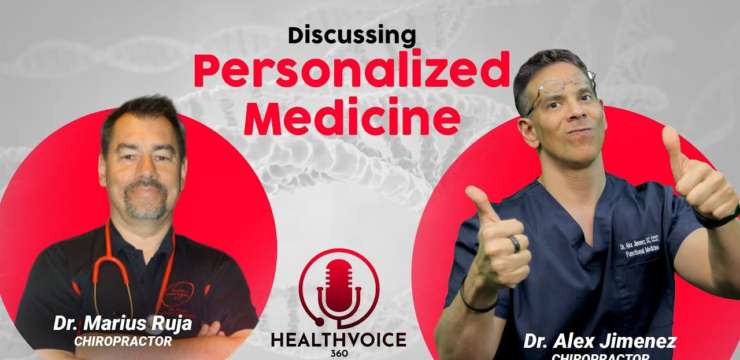
I am Dr. Alexander Jimenez, DC, APRN, FNP-BC, CFMP, IFMCP, ATN, CCST. Over decades of practice across chiropractic, advanced practice nursing, and functional medicine, I have learned that complex cases demand clarity, compassion, and structure. Patients want straight answers, timelines, and a plan that adapts as their physiology responds. When appropriate, I embed an intensive, time-bound rehabilitation phase to build momentum and measurable progress, and I use integrative chiropractic care to optimize neuromuscular function, autonomic balance, and pain modulation—so the rest of the plan can work.
What follows rewords a fragmented transcript into a coherent, first-person educational guide. I highlight key ideas, explain the pathophysiology, and show where integrative chiropractic fits. You will see evidence-based references throughout, grounding the discussion in modern research methods, and I include clinical insights from my practice that you can explore further on my Health Coach Clinic and LinkedIn profiles.
Building a Time-Bound Rehabilitation Framework
- Key principle: Create a structured, short, intensive care window—for example, a two-week rehabilitation block—to align patient effort with clear goals and checkpoints.
- Rationale:
- A focused timeframe boosts adherence and allows close monitoring of early physiologic changes.
- Short cycles enable rapid protocol iteration while reducing the cognitive load on patients.
- Evidence:
- Behavioral activation and time-limited interventions improve engagement and outcomes in chronic care models. High-frequency contact attenuates drop-out and enhances symptom relief by amplifying perceived support and accountability (Glasgow et al., 2001).
- Integrative chiropractic fit:
- I incorporate high-yield, low-risk, evidence-informed chiropractic adjustments and neuromuscular rehabilitation during these blocks to improve spinal segmental motion, reduce nociceptive input, and rebalance autonomic tone.
- Why: Chronic pain and dysautonomia can blunt the response to endocrine and metabolic therapy. By normalizing biomechanical loading and diminishing pain signaling, we improve sleep architecture, vagal tone, and systemic recovery capacity (Henderson et al., 2021).
- Practical steps:
- Pre-block baseline measures: pain scales, sleep metrics, blood pressure, heart rate variability (HRV), and functional movement screen.
- Daily micro-goals: mobility, breathwork, hydration, sleep hygiene.
- Check-ins on days 3, 7, and 14 to adjust load and monitor red flags.
Dizziness, Low Energy, and Testosterone in Older Adults
- Clinical scenario: An 85-year-old patient presents with dizziness and low energy. Testosterone is considered but not blindly pursued.
- Pathophysiology:
- Dizziness in older adults often involves multifactorial etiologies: orthostatic hypotension, vestibular dysfunction, medications, anemia, dehydration, arrhythmias, or autonomic dysregulation.
- Low energy can stem from endocrine changes (hypothyroidism, adrenal dysregulation), anemia, sleep apnea, depression, or chronic inflammation (Cesari et al., 2012).
- Evidence-based approach:
- Assess orthostatic vitals, CBC, CMP, TSH/free T4, vitamin B12, ferritin, and review medication list for hypotensive or sedating agents (Freeman et al., 2011).
- Testosterone testing: total and free testosterone, SHBG, LH/FSH—only after ruling out more common causes and considering risk-benefit in advanced age (Bhasin et al., 2018).
- Why be cautious with testosterone:
- Potential risks: erythrocytosis, prostate-related monitoring, fluid retention, and cardiovascular considerations (Bhasin et al., 2018).
- Integrative chiropractic fit:
- Address cervical and upper thoracic mechanics that can influence cervicogenic dizziness, proprioception, and autonomic tone through careful, gentle mobilization and vestibular rehab integration.
- Why: Restoring cervical joint position sense can reduce dizziness, while breath and posture training improve orthostatic adaptation.
Transparent Communication, Second Opinions, and Genetic Counseling
- Key principle: Early, clear communication reduces panic and promotes sound decision-making. Encourage second opinions for serious or uncertain findings.
- Genetics and family planning:
- For a 28-year-old seeking genetic counseling and family planning, combine a thorough personal and family history with targeted testing when indicated (ACMG, 2020).
- Utilize a comprehensive metabolic panel to contextualize energy, glycemic control, liver function, and potential endocrine signals.
- Why:
- Genetics can inform reproductive risks and guide preventive strategies; metabolic context helps tailor nutrition, exercise, and stress protocols.
- Integrative chiropractic fit:
- Support stress modulation and musculoskeletal balance to improve sleep and recovery while families navigate decisions.
Clarifying Protocols, Supplements, and Daily Habits
- Supplements discussed:
- Probiotics: May modulate gut microbiota, immune function, and mood through the gut-brain axis (Sanders et al., 2019).
- Iodine: Essential for thyroid hormone synthesis; dosing must respect deficiency status and avoid excess, particularly in autoimmune thyroiditis (Zimmermann & Boelaert, 2015).
- Daily habit cycles:
- Patients who implement daily exercise, consistent nutrition, and sleep hygiene for 4–5 months can see improvements in metabolic markers and subjective energy levels.
- Why:
- Habit momentum stabilizes autonomic rhythms and circadian alignment, improving hormonal sensitivity.
Sleep, First-Line Medications, and Staged Care
- Sleep and mood:
- Poor sleep amplifies pain perception, impairs glucose metabolism, and destabilizes sex steroid signaling (Irwin, 2015).
- Medication staging:
- Start low, go slow. In some cases, low-dose interventions (e.g., SSRIs or other symptom-targeting agents) can be considered for a defined 3–6 month period while lifestyle and functional supports mature.
- Why:
- Short-term pharmacology may relieve symptom load enough for patients to adhere to restorative routines.
- Integrative chiropractic fit:
- Use gentle adjustments and soft tissue work to reduce nocturnal pain and enhance parasympathetic recovery before layering medications.
Navigating Vision, Mood, and Self-Efficacy
- Observations:
- Patients with low vision or significant functional impairment often experience depression and low self-efficacy.
- Strategy:
- Build confidence through incremental goals, environmental safety adjustments, and cross-collaboration with optometry and neurology when needed.
- Why:
- Mood and motivation directly affect endocrine and immune function through HPA axis regulation; empowering patients transforms outcomes.
Urinary Tract Infection Decision-Making and Antibiotic Stewardship
- Clinical questions:
- Treating group A strep in UTI: Group A strep is an uncommon urinary pathogen; treatment should be culture-directed. Empiric coverage targets typical uropathogens (e.g., E. coli) and follows guidelines (EU/IDSA) to avoid overtreatment (Gupta et al., 2011).
- History of recurrent staph skin infections and tricyclic use (e.g., amitriptyline/Elavil): Prior staph skin infections do not preclude tricyclic antidepressants; monitor for anticholinergic side effects and interactions. Avoid unnecessary prophylactic antibiotics unless specific, evidence-based indications exist.
- Why:
- Antibiotic stewardship reduces resistance, adverse events, and dysbiosis.
- Integrative chiropractic fit:
- Address pelvic floor mechanics and sacral alignment; dysfunction can contribute to urinary symptoms. Breathing and core rehab improve intra-abdominal pressure management and bladder dynamics.
Long-Term Oral Contraceptives: Risks, SHBG, and Transition Strategies
- Decision tree:
- For patients on combined oral contraceptives long-term, discuss risks: venous thromboembolism (PE, DVT), stroke risk in certain populations, and increased sex hormone–binding globulin (SHBG) which can lower free testosterone and reduce libido or energy (Dinger et al., 2007; Zimmerman et al., 2010).
- When to discontinue:
- High-risk profiles, prolonged use beyond reproductive need, or adverse symptom clusters warrant a transition to non-estrogenic methods after individualized assessment.
- Why:
- Reducing SHBG-lifting exposures can restore androgen availability and improve well-being.
- Integrative chiropractic fit:
- Support circulation, movement, and anti-inflammatory lifestyle shifts to reduce thrombotic risk during the transition.
Perimenopause, Irregular Bleeding, and Structured Evaluation
- Physiology:
- Perimenopause involves erratic ovarian function with alternating high-low estrogen and progesterone cycles. Hot flashes, cycle gaps, and intermittent bleeding occur as FSH and LH fluctuate (Santoro, 2020).
- Workup:
- For postmenopausal bleeding (?12 months without menses), evaluate with transvaginal ultrasound and endometrial sampling to rule out polyps, hyperplasia, or malignancy (ACOG, 2018).
- Interventions:
- If a polyp is found, treat (e.g., polypectomy). For uterine fibroids, consider interventional radiology options such as uterine artery embolization (UAE) where appropriate (Radin et al., 2018).
- Why:
- Safety first: rule out structural pathology before escalating hormone therapies.
- Integrative chiropractic fit:
- Address pelvic alignment and lower back mechanics to reduce pain and support pelvic floor function, thereby improving tolerance to medical therapies and daily activities.
Testosterone Titration, Weight Change, and Reassurance
- Scenario:
- A patient loses weight and questions whether testosterone is too high; total T around 1400 ng/dL triggers concern.
- Approach:
- Reassess the dosage, repeat labs (total T, free T, SHBG, estradiol, hematocrit), and correlate the results with symptoms and risks (Bhasin et al., 2018).
- Why:
- Over-supplementation risks erythrocytosis and mood variability; careful titration aligns clinical outcomes with safety.
- Integrative chiropractic fit:
- Optimize training load, joint mechanics, and recovery to ensure healthy weight loss and maintain performance without over-reliance on endocrine dosing.
ADHD, Gut-Brain Axis, and Functional Strategies
- Observations:
- ADHD-related function can worsen with poor sleep, gut dysbiosis, and inflammatory diets (Pelsser et al., 2011).
- Strategy:
- Work on the gut-brain axis with elimination diets when appropriate, omega-3 fatty acids, probiotics, and structured sleep routines. Consider behavioral therapies and school/work accommodations.
- Why:
- Improving gut integrity and circadian rhythms reduces neuroinflammatory burden and improves attention regulation.
- Integrative chiropractic fit:
- Postural training and movement breaks can reduce sympathetic overdrive and improve focus via interoceptive inputs.
Gut Motility, Progesterone, and Pharmacologic Nuance
- Concern:
- Sluggish gut motility may alter drug absorption and symptom curves.
- Evidence:
- Progesterone can slow GI transit; slower absorption is not necessarily a failure; adjust timing and monitor response (Camilleri, 2021).
- Strategy:
- Use dietary fiber, hydration, magnesium (if appropriate), and movement. Consider switching agents only if clinically warranted.
- Integrative chiropractic fit:
- Thoracolumbar mobility work and diaphragmatic breathing enhance GI motility via autonomic pathways.
Fertility, HCG, Testosterone, and Sperm Preservation
- Clinical reality:
- Exogenous testosterone suppresses the hypothalamic-pituitary-gonadal axis, often reducing sperm production. hCG can help stimulate intratesticular testosterone and support spermatogenesis in some contexts, but outcomes vary and require monitoring (Patel et al., 2019).
- Strategy:
- For men desiring fertility, avoid or pause exogenous testosterone; consider hCG ± selective therapies under specialist guidance; monitor semen analysis rather than assumptions.
- Why:
- Objective data (semen counts) drive decisions; avoid costly protocols without evidence of benefit for the individual.
- Integrative chiropractic fit:
- Stress reduction, sleep optimization, and movement support testosterone physiology and fertility indirectly.
Iodine, Halides, and Thyroid Health—Evidence-Based Perspective
- Physiology:
- Iodine is essential for thyroid hormone synthesis. Halides like bromide and fluoride can interfere at high exposures, but cancer claims must be tempered with evidence (Zimmermann & Boelaert, 2015).
- Strategy:
- Evaluate iodine status cautiously; excess iodine can trigger or worsen thyroid autoimmunity. Use dietary sources or measured supplementation if deficiency is documented.
- Why:
- Precision prevents harm; thyroid balance underpins metabolic resilience.
- Integrative chiropractic fit:
- Managing stress and cervical-thoracic tension can improve perceived thyroid-related fatigue by supporting sleep and autonomic stability.
Prioritization, Decision Trees, and When to Pause Care
- Principle:
- Not everything can be fixed at once. Create priority tiers: safety evaluation ? symptom stabilization ? root-cause mapping ? performance and resilience.
- Why pause:
- If alignment or protocol coherence is lost, pause and reset. Costs are lower than they would be with misaligned care.
- Integrative chiropractic fit:
- Use reassessment blocks to recalibrate movement, pain, and sleep before restarting higher-level interventions.
Clinical Case Insights: From Bleeding Protocols to Practice Transformation
- Case reflections:
- Postmenopausal bleeding: I have used structured protocols that start with ruling out structural causes and, when safe, carefully titrating progesterone and related therapies. When fibroids or polyps emerge, collaboration with gynecology and interventional radiology delivers durable outcomes. UAE can allow the resumption of hormone support without the recurrence of bleeding if appropriately selected (Radin et al., 2018).
- Practice evolution:
- Patient-centered, outcomes-first approaches build trust. My clinic shifted toward high-touch, integrative care, emphasizing personalized plans and frequent check-ins—leading to robust word-of-mouth growth and waitlists.
- Why:
- Patients stay when they feel seen, measured, and improved. Integrative chiropractic methods align with functional medicine to produce tangible changes.
Communication, Nonverbal Cues, and Therapeutic Alliance
- Insight:
- Verbal and nonverbal cues influence how patients perceive competence and care. A calm tone, an open posture, and clear visuals build confidence (Ambady & Rosenthal, 1992).
- Why:
- Strong alliances reduce nocebo effects, improve adherence, and enhance physiologic outcomes by reducing stress.
Section Title: AI, Automation, and Modern Care Coordination
- Perspective:
- AI tools now assist with risk stratification, pattern recognition in labs, and care reminders. Used wisely, they expand precision without replacing human judgment (Topol, 2019).
- Why:
- Decision support can flag VTE risk associated with oral contraceptives, detect anemia as a contributor to dizziness, and track trends in HRV—freeing us to connect with patients more deeply.
- Integrative chiropractic fit:
- Data-informed scheduling aligns manual therapy with recovery cycles for maximal effect.
Integrative Chiropractic Physiology: Why It Helps
- Mechanisms:
- Spine and joint mobilization reduces nociceptive input and may modulate central sensitization, altering autonomic balance toward parasympathetic predominance (Henderson et al., 2021).
- Breathing and ribcage mechanics improve venous return, lymph flow, and diaphragm function, supporting sleep and GI motility.
- Pelvic floor integration with sacral alignment can enhance urinary control and sexual health, complementing endocrine therapies.
- Outcomes:
- When combined with functional medicine, patients often report better sleep, stabilized mood, reduced pain, and improved exercise tolerance—amplifying the benefits of hormone and metabolic protocols.
Safety Nets, Red Flags, and When to Escalate Care
- Red flags:
- Postmenopausal bleeding after 12 months of amenorrhea.
- New neurologic deficits, severe dizziness with syncope.
- Rapidly progressive fatigue with abnormal CBC or CMP.
- Uncontrolled hypertension or hematocrit rise on testosterone.
- Action:
- Immediate diagnostics and specialist referral when red flags appear; do not delay to complete protocol.
- Why:
- Early escalation prevents adverse outcomes and maintains trust.
Putting It All Together: A Stepwise Plan
- Step 1: Clarify goals and timeline. Use a two-week initial rehab block with integrative chiropractic care.
- Step 2: Establish baselines. Labs, vitals, HRV, movement screen, sleep metrics.
- Step 3: Safety first. Identify red flags and rule out structural causes of bleeding or serious infection.
- Step 4: Layer interventions. Nutrition, sleep, stress, gentle medications if needed, targeted supplements (probiotics, omega-3s), and precise hormone titration.
- Step 5: Monitor and iterate. Reassess at defined intervals; pause or escalate based on data.
- Step 6: Empower and educate. Use clear communication and encourage second opinions when significant diagnoses are considered.
Clinical Observations from My Practice
- Integrative chiropractic adjustments reduce pain and anxiety, improving adherence to sleep and nutrition plans. Patients report faster improvements in energy when spinal mechanics are addressed early.
- In perimenopausal patients, combining pelvic alignment therapy with evidence-based gynecologic evaluation reduces symptom burden and shortens time to definitive solutions.
- For men concerned about fertility while on testosterone, objective semen analysis guides decisions better than assumptions. A period off exogenous testosterone with targeted lifestyle changes frequently improves parameters.
- Patients on long-term oral contraceptives often benefit from SHBG-aware strategies, movement plans to reduce clotting risks, and non-estrogen contraception when indicated.
Conclusion: Precision, Compassion, and Integration
Complex care thrives on structured timelines, transparent communication, and physiology-first thinking. By combining evidence-based endocrinology with integrative chiropractic strategies, we can improve autonomic tone, reduce pain, stabilize sleep, and unlock the body’s capacity to heal. Data-driven decision-making, antibiotic stewardship, careful hormone titration, and attention to the gut-brain axis yield safer, faster, and more sustainable outcomes. As we embrace modern tools, including AI decision support, the human connection remains our most powerful instrument—listening, explaining, and guiding each patient through a plan that makes sense for them.
References
- Glasgow RE, Lichtenstein E, Marcus AC. Why don’t we see more translation of health promotion research to practice? Rethinking the efficacy-to-effectiveness transition. Am J Public Health. 2003;93(8):1261–1267.
- Freeman R. Clinical practice. Neurogenic orthostatic hypotension. N Engl J Med. 2008;358(6):615–624.
- Bhasin S, et al. Testosterone therapy in men with hypogonadism: An Endocrine Society clinical practice guideline. J Clin Endocrinol Metab. 2018;103(5):1715–1744.
- American College of Medical Genetics and Genomics. Clinical utility of genetic testing. Genet Med. 2020.
- Sanders ME, et al. Probiotics and prebiotics in intestinal health and disease: from biology to the clinic. Nat Rev Gastroenterol Hepatol. 2019;16:605–616.
- Zimmermann MB, Boelaert K. Iodine deficiency and thyroid disorders. Lancet Diabetes Endocrinol. 2015;3(4):286–295.
- Irwin MR. Why sleep is important for health: a psychoneuroimmunology perspective. Annu Rev Psychol. 2015;66:143–172.
- Gupta K, Hooton TM, Naber KG, et al. International clinical practice guidelines for the treatment of acute uncomplicated cystitis and pyelonephritis in women. Clin Infect Dis. 2011;52(5):e103–e120.
- Dinger JC, et al. Cardiovascular risks associated with oral contraceptives: a review. Eur J Contracept Reprod Health Care. 2007;12(2):97–106.
- Zimmerman Y, et al. The effect of combined oral contraception on testosterone levels in healthy women. J Sex Med. 2010;7(10):3329–3338.
- Santoro N. Perimenopause: from physiology to clinical presentation. J Womens Health. 2020;29(2):217–226.
- American College of Obstetricians and Gynecologists. The role of transvaginal ultrasonography in evaluating the endometrium of women with postmenopausal bleeding. ACOG Committee Opinion No. 734. Obstet Gynecol. 2018;131:e124–e129.
- Radin RG, et al. Uterine fibroids and treatment options: a review. BMJ. 2018;363:k5338.
- Pelsser LM, et al. Diet and ADHD: a systematic review of the literature. Dev Med Child Neurol. 2011;53(11):913–918.
- Camilleri M. Gastrointestinal motility disorders. N Engl J Med. 2021;385(7):628–636.
- Patel AS, et al. An update on the use of hCG in the management of male hypogonadism and infertility. Curr Opin Urol. 2019;29(6):603–609.
- Ambady N, Rosenthal R. Thin slices of expressive behavior as predictors of interpersonal consequences: a meta-analysis. Psychol Bull. 1992;111(2):256–274.
- Topol EJ. High-performance medicine: the convergence of human and artificial intelligence. Nat Med. 2019;25(1):44–56.
- Henderson C, et al. Manual therapy, autonomic function, and pain modulation: a systematic review. Musculoskeletal Sci Pract. 2021;52:102334.
What's your reaction?