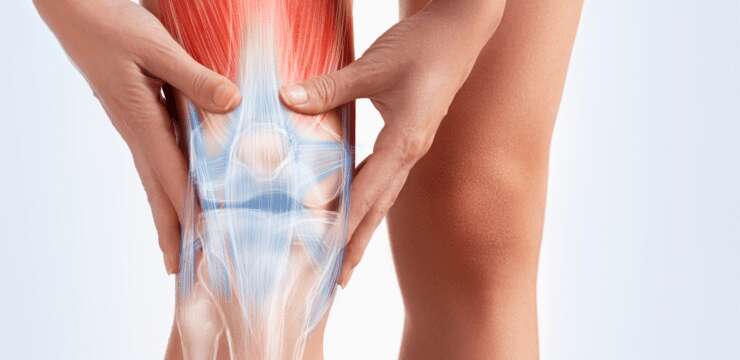
Explore how orthobiologics can transform regenerative medicine approaches for better outcomes in musculoskeletal health.
Table of Contents
Abstract
In this educational post, I walk you through the current landscape of orthobiologics from a clinician’s perspective, integrating the latest evidence with practical, patient-centered strategies. Drawing on recent insights presented by leading researchers and surgeons in sports medicine, I explain the physiologic rationale for core modalities—platelet-rich plasma (PRP), hyaluronic acid (HA), bone marrow aspirate concentrate (BMAC), adipose-derived cellular therapies including stromal vascular fraction (SVF), and extracellular vesicle approaches (exosomes)—and how they fit into comprehensive clinical plans. I present patient selection frameworks, discuss cellular versus acellular strategies, outline combination protocols such as PRP plus HA and the “trilogy” approach (HA + PRP + alpha-2-macroglobulin), and explore future-facing themes like senolytics, estrogen preservation in female athletes, and macrophage polarization. I also highlight how integrative chiropractic care supports the biomechanical and neuroimmune environment necessary for biologics to perform optimally. Throughout, I reference peer-reviewed literature, synthesize mechanistic underpinnings, and share observations from my clinical work and collaborative teams.
Setting The Stage: Why Orthobiologics Now?
Musculoskeletal disorders affect an enormous global population, with hundreds of millions living with osteoarthritis and degenerative joint conditions that impair function, resilience, and performance. As these needs grow, orthobiologics have moved from experimental adjuncts to front-door therapies, especially for athletes, active adults, and those seeking to delay or avoid surgery while preserving performance capacity.
- The field is bifurcated into acellular and cellular strategies:
-
- Acellular: Hyaluronic Acid (HA), Platelet-Rich Plasma (PRP), alpha-2-macroglobulin (A2M), and extracellular vesicles (exosomes)
- Cellular: Bone Marrow Aspirate Concentrate (BMAC) housing mesenchymal stromal cells (MSCs) and hematopoietic stem cells (HSCs); adipose-derived MSCs and stromal vascular fraction (SVF)
- Key clinical drivers:
-
- A desire for non-operative solutions that reduce pain and improve function
- Emerging evidence that combination protocols may surpass single agents in certain contexts
- The recognition that patient stratification—by phenotype, stage, and comorbidity—improves outcomes
In my practice, we aim to make biological therapies clinically actionable: selecting the right patient, matching the right biologic to the right tissue problem, integrating corrective biomechanics, and tracking outcomes transparently.
Foundational Concepts: Acellular vs Cellular Orthobiologics
Acellular Modalities: HA, PRP, A2M, and Exosomes
- Hyaluronic Acid (HA)
-
- What it is: A high–molecular–weight polysaccharide innate to synovial fluid
- Why we use it: Restores synovial viscosity, reduces nociceptive input via mechanotransduction, dampens synovial inflammation, and protects cartilage by modulating catabolic enzymes.
- Physiologic underpinnings: HA interacts with CD44 receptors on chondrocytes and synoviocytes; viscoelasticity improves joint lubrication and load distribution; HA reduces matrix metalloproteinase (MMP) activity and attenuates cytokines like IL-1? and TNF-? (Altman et al., 2015; Jevsevar, 2015)
- Platelet-Rich Plasma (PRP)
-
- What it is: Autologous concentration of platelets delivering growth factors (PDGF, TGF-B, VEGF, IGF-1), cytokines, and chemokines
- Why we use it: Stimulates anabolic signaling, enhances angiogenesis and fibrocartilage repair, and modulates inflammation by shifting the milieu toward resolution.
- Physiologic underpinnings: Platelet alpha granules release a cocktail that activates PI3K/Akt, SMAD pathways, and supports tenocyte and chondrocyte proliferation; leukocyte content influences the balance of antimicrobial and catabolic effects; mild acute-phase signaling can reset chronic degenerative pathways (Filardo et al., 2018; Laudy et al., 2015)
- Alpha-2-Macroglobulin (A2M)
-
- What it is: A large plasma protein that sequesters proteases (e.g., MMPs, ADAMTS)
- Why we use it: Aims to decrease cartilage catabolism by binding destructive enzymes in synovial fluid.
- Physiologic underpinnings: A2M acts as a broad-spectrum protease inhibitor, reducing aggrecanase activity and potentially slowing matrix loss (Wang et al., 2014)
- Exosomes / Extracellular Vesicles
-
- What they are: Nanoscale vesicles carrying miRNAs, mRNAs, proteins, and lipids impacting recipient cell behavior
- Why we use them (research/early clinical): Deliver paracrine regenerative signals without transplanted cells; may drive M2 macrophage polarization and chondroprotection.
- Caveat: Regulatory status remains dynamic; FDA approval for many exosome products is not established; use must align with regulatory guidance (Mendt et al., 2019; Chen et al., 2019)
Cellular Modalities: BMAC, Adipose MSCs, and SVF
- Bone Marrow Aspirate Concentrate (BMAC)
-
- What it is: Concentrated aspirate containing MSCs, HSCs, and growth factors
- Why we use it: Provides a cellular engine for tissue repair—MSCs can modulate inflammation, secrete trophic factors, and support matrix synthesis.
- Physiologic underpinnings: MSCs signal via paracrine routes more than direct differentiation; they downregulate NF B pathways, promote Treg activity, and favor M2 macrophage polarization (Caplan & Correa, 2011)
- Adipose-Derived MSCs / Stromal Vascular Fraction (SVF)
-
- What it is: SVF contains MSCs, endothelial progenitors, and pericytes
- Why we use it: Adipose contains relatively abundant MSCs with strong immunomodulatory profiles
- Considerations: Harvest is more invasive than PRP; costs are higher; regulations vary by jurisdiction for minimally manipulated vs culture-expanded cells (Bianchi et al., 2013)
Clinical Evidence: What We Know, Where It’s Strong, and How We Use It
- Hyaluronic Acid is effective for pain and function in knee osteoarthritis, while earlier meta-analyses questioned its magnitude; contemporary reviews identify specific formulations and schedules with clinically important benefit as either a primary or adjunct therapy (Altman et al., 2015; Jevsevar, 2015).
- PRP shows positive effects on pain, function, and quality of life in degenerative joint disease and tendinopathies, with growing Level I evidence. Current consensus trends favor adequate platelet dosing, optimized preparation, and standardized protocols (Filardo et al., 2018; Laudy et al., 2015).
- Leukocyte content in PRP: Outcomes may be comparable between leukocyte-poor (LP-PRP) and leukocyte-rich (LR-PRP) PRP, depending on the indication. LP-PRP is often preferred for intra-articular OA to minimize catabolic enzyme activity; LR-PRP can be considered for certain tendinopathies that require a more robust inflammatory response (Filardo et al., 2018).
- BMAC and Adipose MSCs: Emerging evidence suggests culture-expanded MSCs may show stronger signals than minimally manipulated concentrates in some contexts, though generalizability, cost, and regulatory considerations limit routine application (Caplan & Correa, 2011; Bianchi et al., 2013).
- Combination therapies:
-
- PRP + HA often outperforms HA alone and may outperform PRP alone, leveraging viscoelastic protection with anabolic signaling.
- PRP + MSCs can potentiate MSC recruitment and secretome activity—PRP gradients can draw MSCs and amplify trophic factor release, a form of biologic orchestration (Caplan & Correa, 2011).
- Trilogy approach (HA + PRP + A2M): Rationale is synergistic—HA protects and lubricates; PRP provides anabolic and angiogenic cues; A2M binds proteases to reduce catabolic pressure. Early clinical programs report promising trajectories, yet robust comparative trials are needed.
Patient Selection and Treatment Planning: Precision Over Protocols
Orthobiologics are not one-size-fits-all. Patient stratification improves outcomes by aligning biologic strength with pathology stage and systemic context.
- Stratification variables:
-
- Disease stage: Early OA vs late-stage OA
- Phenotype: Inflammatory vs mechanical predominance
- Tissue target: Articular cartilage, synovium, enthesis, tendon
- Systemic modulators: Metabolic syndrome, sleep debt, estrogen status, gut dysbiosis
- Planning steps:
-
- Map symptoms to tissue pathology via ultrasound or MRI, combined with load testing and functional screens.
- Identify mechanical drivers (hip-knee-ankle misalignment, foot-ankle stiffness, thoracolumbar compensation).
- Decide on a primary biologic (e.g., PRP for early OA; HA for synovial irritation; MSC-rich BMAC/SVF for complex defect biology).
- Layer adjuncts (e.g., A2M for protease-rich synovium; HA for post-PRP lubrication).
- Integrate chiropractic biomechanical correction to normalize joint loading and neuromuscular patterns.
- Optimize systemic milieu: Nutrition, sleep, endocrine balance, and microcirculation.
In my clinics, we track outcomes through structured reports and dashboards that chart pain, function, QoL, and sport-specific metrics over defined intervals (4, 12, and 24 weeks).
Physiology Deep-Dive: Why Each Modality Works
PRP: Anabolic Signaling and Inflammatory Resolution
- Key effects:
-
- Increased collagen synthesis and tenocyte proliferation
- Enhanced angiogenesis to improve nutrient delivery
- Modulation of COX-2 and NF-?B, tilting toward resolution
- Why it’s used:
-
- PRP reboots chronic low-grade inflammation into a controlled healing cascade
- It enhances the area under the curve for pain reduction, function, and QoL in many joint contexts
- Clinical pearl:
-
- Dose matters: Achieve therapeutic platelet concentration and match leukocyte content to the target tissue.
HA: Viscoelastic Protection and Anti-Catabolic Signaling
- Key effects:
-
- Restores lubrication and reduces shear stress on cartilage
- Downregulates MMPs and modulates cytokine signaling
- Why it’s used:
-
- Provides immediate mechanical relief while suppressing catabolic drive
- Clinical pearl:
-
- Consider HA as an adjunct after PRP to maintain joint homeostasis during remodeling.
A2M: Protease Capture to Preserve Matrix
- Key effects:
-
- Binds MMPs and ADAMTS, decreasing aggrecan and collagen breakdown
- Why it’s used:
-
- Protects newly deposited matrix from enzymatic degradation
- Clinical pearl:
-
- Useful in synovial environments with elevated proteolytic activity (post-injury joints, high-inflammation OA).
MSC-Based Therapies: Paracrine Modulation Over Differentiation
- Key effects:
-
- Secrete anti-inflammatory cytokines (e.g., IL-10), trophic factors, and exosomes
- Shift macrophages from M1 (inflammatory) to M2 (pro-resolving)
- Why they’re used:
-
- Address complex degeneration where acellular support is insufficient
- Clinical pearl:
-
- Consider MSC-rich strategies for focal cartilage defects, multi-compartment OA, or recalcitrant tendinopathies.
Exosomes: Precision Paracrine Messaging
- Key effects:
-
- Deliver miRNA payloads that modulate anabolic/catabolic gene expression
- Influence chondrocyte metabolism and microvascular function
- Why they’re used (investigational):
-
- Potential to standardize paracrine dosing without cells
- Clinical pearl:
-
- Reserve for research pathways; align with current regulatory standards.
Combination Protocols: Orchestration and Synergy
Biologics interact. Combining them can amplify effects when grounded in mechanistic logic.
- PRP + HA
-
- HA’s presence can increase PRP growth factor release and protect the joint from mechanical stress, enabling PRP’s anabolic signals to work in a quieter biochemical environment.
- Clinical use: Early to moderate OA; post-injection discomfort reduction; sport return phases.
- PRP + MSCs (BMAC or Adipose)
-
- PRP gradients can chemoattract MSCs and prime their secretome, enhancing matrix deposition and immune modulation.
- Clinical use: Focal chondral lesions, complex tendinopathy, and revision cases.
- Trilogy (HA + PRP + A2M)
- Mechanistic rationale:
-
-
- HA: Lubrication and anti-catabolic modulation
- PRP: Anabolic and angiogenic drive
- A2M: Protease capture to protect repair
-
-
- Clinical use: High-demand athletes with synovial hypercatabolism; multi-compartment OA where single agents plateau.
- Caveat: Tailor timing; some programs space components over 2–3 weeks to manage reactivity and optimize deposition.
Integrative Chiropractic Care: Making Biology Work in a Real Joint
Biologics are only as effective as their mechanical context. My integrative chiropractic approach targets the neurobiomechanics that determine load distribution, vascularity, and nociception.
- Assessment
-
- Multi-segmental movement screens, gait and foot mechanics evaluation, and fascial continuity mapping
- Ultrasound-guided palpation to correlate tender points with enthesis and capsular regions
- Interventions
-
- Specific spinal and extremity adjustments to restore joint play and decrease aberrant shear
- Neuromuscular reeducation: Closed-chain control, foot intrinsic strengthening, hip abductor activation
- Myofascial release for periarticular adhesions that restrict nutrient diffusion
- Blood-flow–promoting therapies: Low-intensity vascular training, intermittent pneumatic compression
- Why it matters physiologically
-
- Better biomechanics reduce cytokine noise from overloaded tissues
- Improved microcirculation enhances nutrient and growth factor distribution
- Normalized proprioception reduces central sensitization, enabling biologics to signal effectively
Clinical observation from my teams at Health Coach Clinic and collaborative programs: When we pair PRP with targeted biomechanical correction and sleep/metabolic optimization, patients achieve faster pain resolution and more durable function gains compared with biologics alone.
References to clinical portfolio:
- Health Coach Clinic profile: healthcoach.clinic/
- Professional background: www.linkedin.com/in/dralexjimenez/
Female Athletes and Estrogen Preservation: A Critical Dimension
Menopause is not a moment; it’s a trajectory. Starting around age 38 in some athletes, declining estrogen levels alter cartilage metabolism, reduce tendon elasticity, and affect neuromuscular control.
- Physiologic notes
-
- Estrogen receptors in cartilage modulate matrix synthesis and chondrocyte survival; insufficient estrogen can accelerate cartilage breakdown.
- Estrogen influences collagen cross-linking and vascular tone, impacting tissue recovery (Coleman et al., 2009)
- Clinical strategies
-
- Monitor menstrual and perimenopausal status; collaborate with endocrine and women’s health specialists.
- Consider nutritional and lifestyle supports (protein adequacy, vitamin D, omega-3s)
- Align biologic timing with phases of hormonal flux to leverage optimal recovery windows.
- Apply comprehensive load management, as low estrogen levels can increase the risk of soft-tissue injury.
Orthobiologics work best when the hormonal context supports anabolism and recovery; ignoring this dimension can blunt outcomes.
Macrophage Polarization: Switching From M1 to M2
Successful tissue repair requires the immune system to transition from pro-inflammatory M1 to pro-resolving M2 macrophages.
- Mechanisms
-
- Can PRP nudge macrophages towards M2 via IL-10 and TGF-? signaling
- MSCs release exosomes and cytokines that downregulate NF-?B and promote the M2 phenotype
- Clinical implications
-
- Optimize microenvironment with sleep, micronutrients (zinc, magnesium), and glycemic control to avoid M1 persistence.
- Consider senolytics research (e.g., dasatinib + quercetin frameworks) to reduce senescent cell burden that perpetuates M1 signaling (Kirkland & Tchkonia, 2017)
When patients fail PRP or MSC therapies, we frequently find unresolved M1 drivers: metabolic syndrome, sleep deprivation, or unmanaged mechanical overload. Addressing these restores biologic responsiveness.
Structured Reporting: Making Outcomes Transparent
Adopting biologics requires structured, comparable reporting:
- Baseline and interval assessments:
-
- Pain (VAS), Function (KOOS/HOOS), QoL (PROMIS), sport metrics
- Imaging as needed: MRI, ultrasound cartilage thickness, enthesis integrity
- Protocol tracking:
-
- PRP preparation details: platelet concentration, leukocyte content, activation method
- Adjuncts: HA formulation, A2M dosing, timing
- Integrative care: adjustment schedule, neuromuscular reeducation sessions, sleep scores
- Decision points:
-
- If plateau at 12 weeks: add HA or A2M
- If persistent synovitis: consider A2M or low-dose anti-inflammatory nutraceuticals
- If focal cartilage defect with poor response: evaluate MSC-based options
This level of detail transforms biologics from artisanal to reproducible care pathways.
Practical Pathways: Stepwise Integration Into Your Clinic
- Start with PRP for early OA and tendinopathy, where evidence is strongest
- Add HA as an adjunct for synovial irritation or to extend the benefit
- Consider A2M in protease-heavy synovial profiles
- Reserve MSC-rich approaches for complex, recalcitrant cases or focal defects
- Build multimodal regimens when single agents plateau, e.g., Trilogy
- Integrate chiropractic biomechanical correction and metabolic optimization
- Use structured dashboards to track progress and iterate
What The Market Trends Suggest — And What To Do Clinically
While market growth in PRP, HA, adipose therapies, and exosomes is steep, clinical adoption should be governed by evidence strength, patient phenotype, and regulatory clarity.
- PRP is on a strong growth trajectory as a first-line biologic in many musculoskeletal contexts due to its safety, cost-effectiveness, and functional outcomes.
- HA continues to evolve as a mature adjunct—think of it as a layer of stability and protection for joints undergoing active repair.
- Adipose and BMAC therapies show promise but demand careful selection, transparency in consent, and adherence to regulations.
- Exosomes should be approached via research collaborations, with an eye toward future regulatory pathways.
Closing Perspective: From Concept to Confident Application
My goal is to help you move from introductory understanding to confident, evidence-aligned application. Orthobiologics offer a powerful set of tools—but they work best when orchestrated within a comprehensive framework that includes mechanical correction, immune modulation, and systemic optimization.
- Embrace patient stratification—not all OA or tendinopathy is the same.
- Use combination protocols when mechanistically justified.
- Always integrate biomechanical care—this is where integrative chiropractic shines.
- Track diligently, iterate promptly, and remain aligned with evidence and regulation.
The future is bright because we are learning to coordinate biology with mechanics and behavior—turning the curve upward on pain relief, function, and resilience.
—
Written by Dr. Alexander Jimenez, DC, APRN, FNP-BC, CFMP, IFMCP, ATN, CCST
References
Altman, R. D., Manjoo, A., Fierlinger, A., Niazi, F., & Nicholls, M. (2015). Hyaluronic acid intra-articular injections for knee osteoarthritis: a review of the evidence. Osteoarthritis and Cartilage, 23(8), 1327–1340.
Jevsevar, D. S. (2015). Treatment of osteoarthritis of the knee: Evidence-based guideline. Journal of the American Academy of Orthopedic Surgeons, 21(9), 571–576.
Filardo, G., Kon, E., Di Martino, A., et al. (2018). Platelet-rich plasma intra-articular knee injections show clinical benefit and MRI improvement in degenerative cartilage lesions. Knee Surgery, Sports Traumatology, Arthroscopy, 26, 3640–3648.
Laudy, A. B., Bakker, E. W., Rekers, M., & Moen, M. H. (2015). Efficacy of platelet-rich plasma injections in osteoarthritis of the knee: A systematic review and meta-analysis. British Journal of Sports Medicine, 49(10), 657–672.
Caplan, A. I., & Correa, D. (2011). The MSC: An injury drugstore. Cell Stem Cell, 9(1), 11–15.
Bianchi, F., Maioli, M., et al. (2013). Adipose tissue-derived stem cells in regenerative medicine: Applications in orthopedics. Stem Cells International, 2013, 918107.
Wang, S., Liu, X., et al. (2014). Alpha-2-macroglobulin as a therapeutic agent for osteoarthritis: Inhibition of cartilage catabolism. Molecular Medicine Reports, 10(4), 2223–2228.
Mendt, M., Kamerkar, S., et al. (2019). Extracellular vesicles in regenerative medicine: Potentials and challenges. Cell, 176(1–2), 124–139.
Chen, Y., Xue, K., et al. (2019). Exosomes derived from mesenchymal stem cells promote cartilage repair and regeneration. Theranostics, 9(14), 4395–4411.
Coleman, J. L., et al. (2009). Estrogen and musculoskeletal health: Implications for female athletes. Sports Medicine, 39(7), 565–578.
Kirkland, J. L., & Tchkonia, T. (2017). Cellular senescence: A translational perspective. EBioMedicine, 21, 21–28.
SEO tags: orthobiologics, PRP, hyaluronic acid, MSCs, BMAC, adipose stem cells, stromal vascular fraction, exosomes, alpha-2-macroglobulin, senolytics, macrophage polarization, integrative chiropractic, osteoarthritis, sports medicine, pain reduction, function improvement, biomechanics, regenerative medicine, evidence-based care
What's your reaction?