Yogurt is a dairy product made by the bacterial fermentation of milk. The bacteria used are called yogurt cultures, which ferment lactose, which is the natural sugar found in milk. This process produces lactic acid that causes milk proteins to curdle, giving yogurt its flavor and texture. It can be made from all types of milk. Although research is ongoing, the benefits of adding yogurt to one’s nutrition plan can improve overall health, including improved bone health, circulation, immune system function, and probiotics/healthy bacteria that improve digestion and gut health.
Table of Contents
 Health Benefits
 Health Benefits
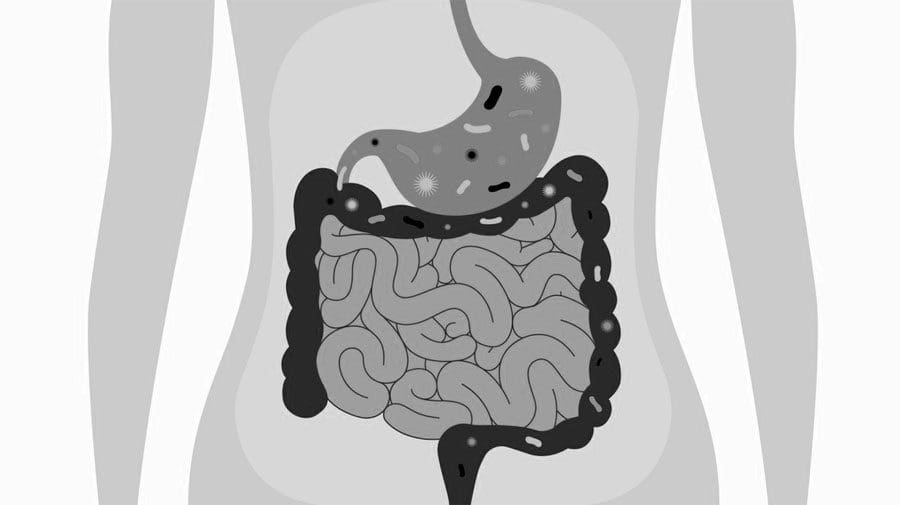
Yogurt comes from milk that varies; some are made from skim and fat-free, whereas whole milk is full-fat. Other nutrients include calcium, vitamin B-2, vitamin B-12, potassium, and magnesium. More research is needed, but there is some evidence that active cultures can help certain gastrointestinal conditions, including:
- Constipation
- Diarrhea
- Inflammatory bowel disease
- Lactose intolerance
- H. pylori infection
- Colon cancer
The benefits are thought to be due to the:
- Changes in the microbiota of the gut.
- The faster time food takes to circulate through the bowels.
- Immune system improvement.
Feel Fuller
Yogurt is rich in protein and healthy fats, which makes it very filling. Both of these nutrients are key to feeling full for longer. A study found consuming high-protein Greek yogurt in the afternoon resulted in less hunger, increased fullness and delayed the need to eat before dinner.
Probiotics
- Look for brands that say living cultures or contain active cultures.
- Probiotics help regulate bowel movements, combat infections, and restore balance to the digestive system.
- Different cultures are thought to have various benefits.
Choosing Options
- Look for yogurts that are unflavored and low or no sugar.
- Yogurt naturally contains about six to eight grams of sugar
- Add toppings and fruit for flavor and sweetness.
Use in Recipes
- Yogurt can be used as a substitute ingredient in a variety of recipes.
- Plain yogurt can substitute for sour cream.
- It can replace the fat, oil, and/or butter in muffin, brownie, or cake recipes.
Speak with a nutritionist and health coach to find out if yogurt would be beneficial. Nutritionists work with individuals to find the best foods for their body type, age, and health condition, explain how different foods impact the body, and what foods to avoid.
Functional Nutrition
References
Andoh, Akira. “Physiological Role of Gut Microbiota for Maintaining Human Health.” Digestion vol. 93,3 (2016): 176-81. doi:10.1159/000444066
Bull, Matthew J, and Nigel T Plummer. “Part 1: The Human Gut Microbiome in Health and Disease.” Integrative medicine (Encinitas, Calif.) vol. 13,6 (2014): 17-22.
Cleveland Clinic: “Which Yogurt is Right For You?” “Why — and When — You Should Include Probiotics in Your Diet.”
Jandhyala, Sai Manasa, et al. “Role of the normal gut microbiota.” World journal of gastroenterology vol. 21,29 (2015): 8787-803. doi:10.3748/wjg.v21.i29.8787
Le Roy, C.I., Kurilshikov, A., Leeming, E.R. et al. Yoghurt consumption is associated with changes in the composition of the human gut microbiome and metabolome. BMC Microbiol 22, 39 (2022). doi.org/10.1186/s12866-021-02364-2
Wu, Hsin-Jung, and Eric Wu. “The role of gut microbiota in immune homeostasis and autoimmunity.” Gut microbes vol. 3,1 (2012): 4-14. doi:10.4161/gmic.19320
What's your reaction?