Neck injuries and whiplash symptoms can be minor and go away within a few days. However, whiplash symptoms can manifest days later and become varied and chronic, ranging from severe pain to cognitive problems. These are collectively called whiplash-associated disorders because of the varied complexity of the symptoms. A common condition is a whiplash nerve injury. These injuries can be severe and require chiropractic treatment.
Table of Contents
 Whiplash Nerve Injury
 Whiplash Nerve Injury
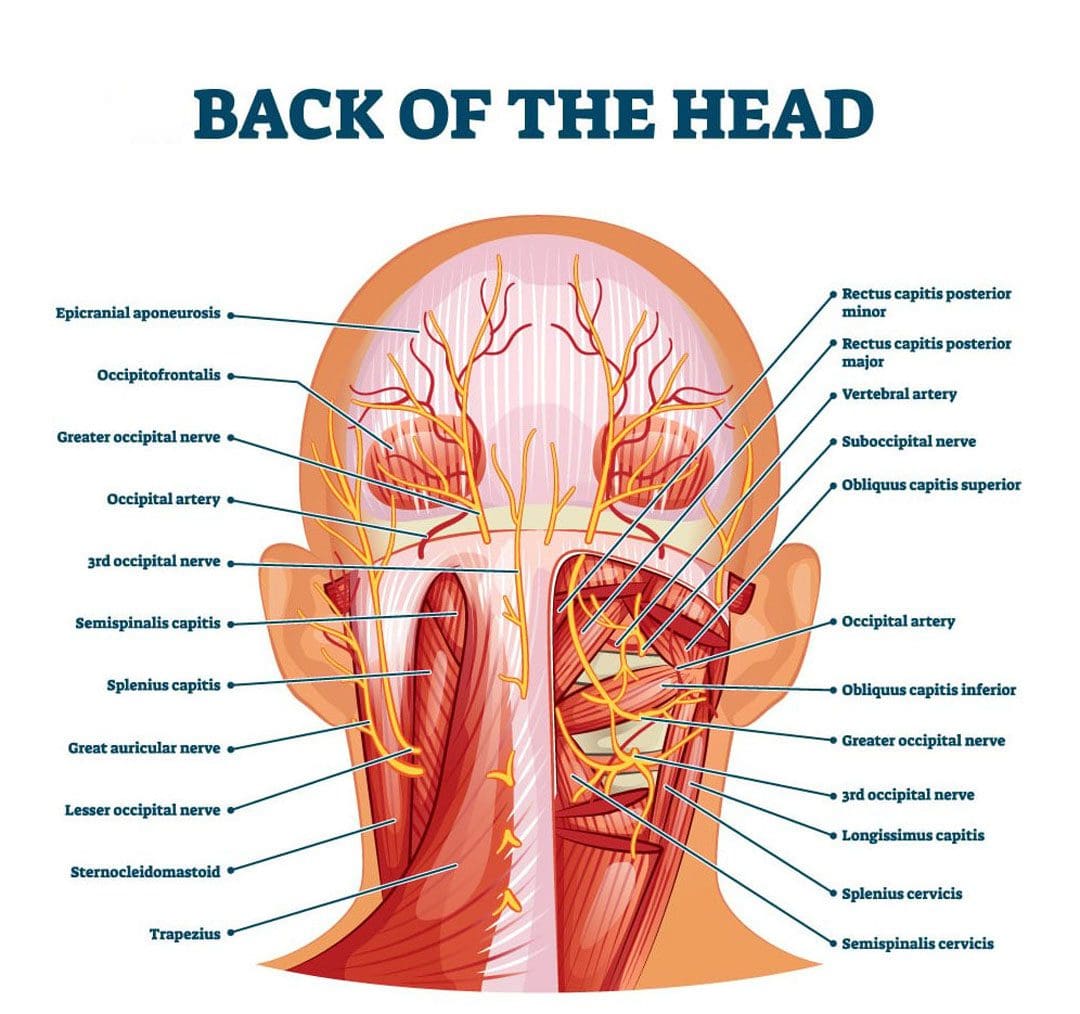
Surrounding muscles, tissues, bones, or tendons can cause a whiplash nerve injury. The neck’s spinal nerve roots become compressed or inflamed, leading to cervical radiculopathy symptoms of tingling, weakness, and numbness that can radiate down the shoulder, arm, hand, and fingers. Typically, cervical radiculopathy is only felt on one side of the body, but in rare cases, it can be felt on both sides if more than one nerve root is affected.
Neurological Cervical Radiculopathy
- Neurological problems can become severe and can reduce the ability to perform many routine tasks, such as gripping or lifting objects, writing, typing, or getting dressed.
Cervical radiculopathy involves one or more of the following neurological deficiencies.
- Sensory – Feelings of numbness or reduced sensation. There can also be tingling and electrical sensations.
- Motor – Weakness or reduced coordination in one or more muscles.
- Reflex – Changes in the body’s automatic reflex responses. An example is a diminished ability or reduced hammer reflex exam.
Symptoms
Because every case is different, symptoms vary depending on the location and severity. Symptoms can flare up with certain activities, like looking down at a phone. The symptoms then go away when the neck is upright. For others, symptoms can become chronic and do not resolve when the neck is resting and supported. Common symptoms include:
Fatigue
- Decreased energy levels could be related to sleep problems, depression, stress, pain, concussion, or nerve damage.
Memory and/or concentration problems
- Cognitive symptoms could involve difficulty with memory or thinking.
- Symptoms can start shortly after the injury or not appear until hours or days later.
- Cognitive problems could be from a brain injury or related to various types of stress.
Headaches
- This could be neck muscles tightening or a nerve or joint becoming compressed or irritated.
Dizziness
- Dizziness could be from neck instability, a concussion/mild traumatic brain injury, and nerve damage.
Vision problems
- Blurry vision or other visual deficits could result from any number of causes, including concussion or nerve damage.
- Vision problems could also contribute to dizziness.
Ringing in the ears
- Also called tinnitus, this can be ringing or buzzing in one or both ears and can range from intermittent and minor to constant and severe.
- Whiplash complications such as injury to the brain region that controls hearing, nerve or vascular damage, jaw injury, or stress can lead to tinnitus.
Chiropractic Care
The appropriate chiropractic treatment is unique to each whiplash nerve injury and is directed at the primary dysfunctions detected during the initial examination. A personalized treatment plan addresses factors in an individual’s work, home, and recreational activities. Treatment includes:
- Massage manual and percussive for nerve and muscle relaxation
- Decompression therapy
- Nerve release techniques
- Targeted stretches and exercises
- Ergonomics
- Health and nutritional recommendations
El Paso’s Chiropractic Team
References
Goldsmith R, Wright C, Bell S, Rushton A. Cold hyperalgesia as a prognostic factor in whiplash-associated disorders: A systematic review. Man Ther. 2012; 17: 402-10.
McAnany SJ, Rhee JM, Baird EO, et al. Observed patterns of cervical radiculopathy: how often do they differ from a standard “Netter diagram” distribution? Spine J. 2018. pii: S1529-9430(18)31090-8.
Murphy DR. History and physical examination. In: Murphy DR, ed. Conservative Management of Cervical Spine Syndromes. New York: McGraw-Hill, 2000:387-419.
Shaw, Lynn, et al. “A systematic review of chiropractic management of adults with Whiplash-Associated Disorders: recommendations for advancing evidence-based practice and research.” Work (Reading, Mass.) vol. 35,3 (2010): 369-94. doi:10.3233/WOR-2010-0996
Travell JG, Simons DG. Myofascial Pain and Dysfunction: The Trigger Point Manual. Vol. 1, 2nd ed. Baltimore, MD: Williams and Wilkens, 1999.
What's your reaction?